Understanding Construction Site Safety
Construction sites are inherently dangerous environments, often rife with potential hazards. Maintaining optimal construction site safety is crucial for protecting workers, ensuring compliance with regulations, and promoting project efficiency. Understanding the fundamentals of safety in construction is not just about compliance; it involves a cultural shift toward prioritizing the health and well-being of all personnel on site.
The Importance of Safety Regulations
Safety regulations are protocols established by governing bodies to minimize risks and ensure the health of workers. These regulations vary by region but share a common objective – to create a safe working environment. Compliance with these regulations helps reduce workplace injuries, potentially saving companies from lawsuits, fines, and damage to reputation. It’s essential for construction managers and safety officers to understand and implement relevant safety regulations.
Key Components of a Safety Plan
A comprehensive safety plan is a foundational document that outlines procedures for maintaining workplace safety. Key components of such a plan include:
- Risk Assessment: Identification of potential hazards.
- Safety Procedures: Step-by-step protocols for different scenarios.
- Training Programs: Regular sessions to educate workers on safety practices.
- Incident Reporting: A system for documenting and analyzing accidents.
- Emergency Procedures: Clearly defined actions to take during emergencies.
Common Hazards in Construction
Construction sites can present a variety of hazards, including:
- Falls: Leading cause of injuries, often from heights or uneven surfaces.
- Electrocution: Risks from improper wiring and equipment.
- Being Struck By Objects: Tools, equipment, or materials may fall or be thrown.
- Slips and Trips: Commonly caused by debris, tools left on walkways, or poor lighting.
Recognizing these hazards is the first step in formulating a robust safety strategy.
Developing a Comprehensive Safety Program
To enhance construction site safety, a well-structured safety program must be developed. This program should proactively identify and mitigate risks while fostering a culture of safety among workers.
Identifying Risks and Vulnerabilities
The process of identifying risks begins with a thorough site inspection. Safety officers should assess all processes, equipment, and worker behaviors. Tools like risk matrices can help prioritize risks based on their likelihood and potential impact. Documenting these findings is essential for developing strategic responses.
Training and Certification for Workers
Education is a cornerstone of any effective safety program. Regular training sessions should be conducted to ensure all workers understand best practices and proper equipment usage. Certification programs can further validate worker competence, particularly for specialized tasks such as operating heavy machinery.
Emergency Response Planning
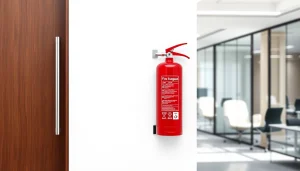
No plan is complete without procedures for emergencies. An emergency response plan outlines actions to take in various scenarios, such as fires, medical emergencies, and natural disasters. Regular drills should be conducted to familiarize workers with these protocols, ensuring they are prepared to act quickly and effectively when necessary.
Implementing Safety Measures
Implementing robust safety measures on construction sites is essential for minimizing risks. This includes the use of proper equipment and ongoing monitoring of safety practices.
Use of Personal Protective Equipment
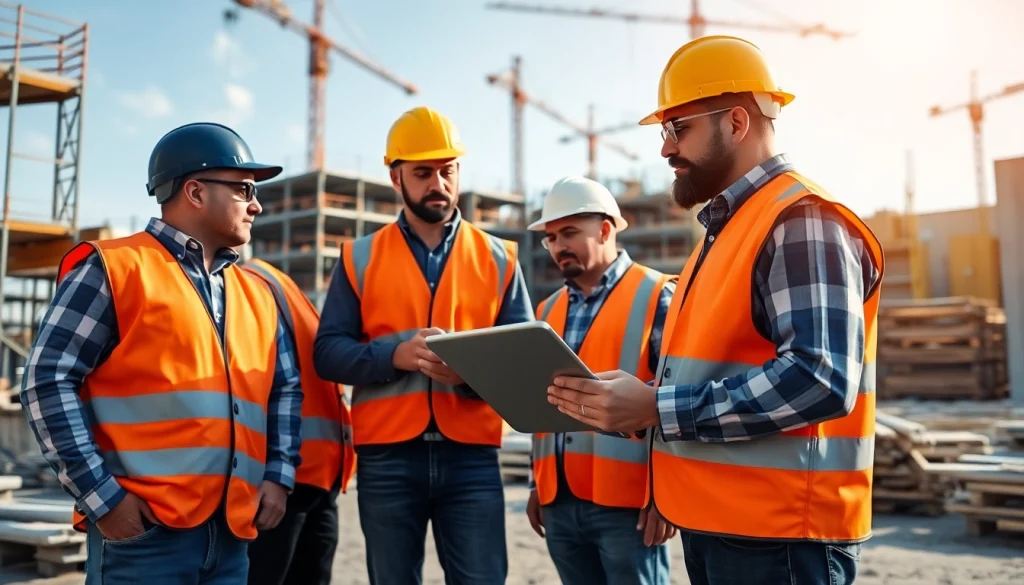
Personal Protective Equipment (PPE) is critical in safeguarding workers from injuries. Standard PPE includes:
- Hard Hats: Protect against head injuries.
- Safety Glasses: Prevent eye injuries from flying debris.
- High-Visibility Clothing: Ensure workers are seen, especially in low-light conditions.
- Gloves and Boots: Provide protection against cuts, slips, and electrical hazards.
Employers should enforce the proper use of PPE and regularly inspect the equipment for damage.
Monitoring and Compliance Audits
Regular monitoring and compliance audits are essential for maintaining construction site safety. Safety officers should conduct frequent inspections to ensure adherence to safety regulations and internal policies. These audits identify non-compliance issues and recommend corrective actions, reinforcing a culture of safety.
Creating a Safety Culture
A positive safety culture encourages open communication about safety concerns. Workers should feel empowered to report hazards without fear of repercussions. Regular meetings focusing on safety topics and recognizing safe practices help bolster this culture. Engaged workers are more likely to adhere to safety protocols and actively participate in safety initiatives.
Utilizing Technology for Safety Enhancement
Integrating technology into construction site safety measures provides innovative solutions for hazard mitigation and compliance tracking. Advanced tools can significantly enhance safety measures and improve overall site management.
Innovations in Safety Equipment
Recent advancements in safety equipment include more effective harnesses, advanced scaffolding systems, and improved fall protection gear. Innovations such as self-retracting lifelines or shock-absorbing lanyards mitigate risks associated with falls from heights, providing enhanced protection for workers.
Software Solutions for Site Management
Digital tools and software solutions can help streamline safety management. Construction management software allows for real-time tracking of on-site activities, safety compliance documentation, and incident reporting. Through data analytics, managers can identify recurring issues and optimize safety protocols accordingly.
Wearable Technology for Risk Mitigation
Wearable technology such as smart helmets and safety vests equipped with sensors can monitor worker conditions and environmental factors. These devices can trigger alerts for unsafe conditions or risky behaviors, providing immediate feedback to workers and supervisors, thereby enhancing proactive safety measures.
Measuring the Effectiveness of Safety Practices
To understand the impact of safety measures, it’s crucial to measure their effectiveness. This involves tracking performance data and seeking worker feedback to constantly enhance safety protocols.
Key Performance Indicators for Safety
Establishing Key Performance Indicators (KPIs) for safety allows organizations to evaluate their safety performance quantitatively. Common KPIs include:
- Incident Rate: Number of injuries per total hours worked.
- Compliance Rate: Percentage of compliance with safety audits.
- Training Completion: Percentage of workers who have completed safety training.
- Near-Miss Reporting: Frequency of reported near-misses as an indicator of hazard awareness.
Regularly reviewing these metrics supports informed decision-making about safety strategies.
Feedback Mechanisms from Workers
Establishing continuous feedback mechanisms allows workers to voice their concerns and suggestions. Anonymous surveys, regular training evaluations, and suggestion boxes can facilitate communication. Such feedback is invaluable for identifying gaps in safety protocols and fostering a sense of ownership among workers.
Continuous Improvement Approaches
A culture of continuous improvement emphasizes ongoing refinement of safety protocols. By consistently reviewing safety practices and incorporating feedback and new information, organizations foster a proactive stance towards safety. Lean methodologies, for example, allow teams to identify waste in processes and enhance safety at the same time.
Frequently Asked Questions
What is the role of safety regulations in construction?
Safety regulations ensure a minimum standard of protection for workers, reducing injuries and maintaining compliance to avoid penalties.
How can I develop a safety plan for my construction site?
Start by assessing risks, outlining safety procedures, setting training programs, and establishing reporting protocols for incidents.
What are the essential types of Personal Protective Equipment (PPE)?
Essential PPE includes hard hats, safety glasses, high-visibility clothing, gloves, and safety boots—all crucial for worker protection.
How can technology improve construction safety?
Technology enhances safety through innovations like advanced PPE, management software, and wearable devices that monitor environmental conditions.
Why is measuring safety effectiveness important?
Measuring effectiveness through KPIs enables companies to evaluate safety success, identify deficiencies, and make informed improvements.