
Understanding Fly Fishing Combos
What is a Fly Fishing Combo?
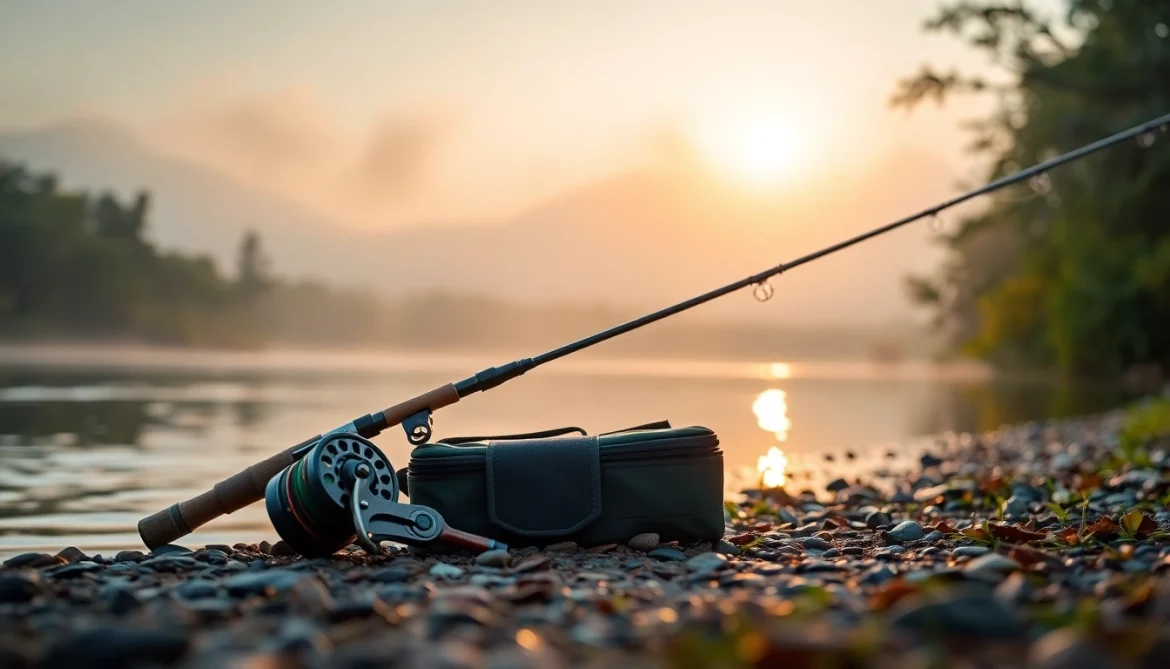
A fly fishing combo is an essential package that includes the key components needed to start fly fishing. Typically, this encompasses a fly rod, reel, and a selection of flies and sometimes a carrying case. The aim is to provide anglers—especially beginners—with everything they need right out of the box, ensuring a convenient and hassle-free entry point into the sport. This type of kit simplifies the selection process, as it often includes compatible and complementary gear tailored for either freshwater or saltwater use. For those keen on taking the plunge into fly fishing, investing in a fly fishing combo can streamline your experience and enhance your learning curve.
Why a Combo is Essential for Beginners
For beginners, the world of fly fishing can be overwhelming due to the numerous technical aspects involved. A fly fishing combo is essential because it provides a curated set of tools that are designed to work well together. This convenience minimizes the potential for mismatched components and helps new anglers focus on developing their casting technique and understanding fish behavior instead of worrying about equipment compatibility. In addition, many combos are presented at a more affordable price point than purchasing items individually, making them an ideal option for novice anglers.
Components of an Ideal Fly Fishing Combo
An ideal fly fishing combo should include the following components:
- Fly Rod: The backbone of your setup, usually made from materials like fiberglass or graphite, which affects its weight and flexibility.
- Fly Reel: Used to store the fishing line, reels can be adjustable and should match the rod’s weight class.
- Fly Line: Specially designed to carry the flies to the fish; different types are available based on casting conditions and fly weight.
- Backing Line: Essential for larger fish, providing additional line if the fish makes a long run.
- Flies: A selection of lures that mimic natural bait; essential to match the local fish species.
- Leader Line: A specialized line that connects the fly line to the fly, typically made from monofilament or fluorocarbon.
When selecting a combo, ensure that these components work harmoniously together for effective fishing.
Determining Your Fly Fishing Needs
Freshwater vs. Saltwater Fishing Combos
One of the most crucial considerations when selecting a fly fishing combo is whether you’ll be fishing in freshwater or saltwater environments. Freshwater combos are generally lighter and crafted for species like trout and bass, with rods ranging between 3 to 8 weight. In contrast, saltwater combos need to be sturdier due to the larger and often more aggressive fish species found in oceans. Saltwater equipment usually features corrosion-resistant materials, heavier weights (often from 8 to 12 weight), and reinforced components to withstand the elements.
Assessing Skill Levels and Experience
Your skill level plays a significant role in determining the right fly fishing combo for you. Beginners might benefit from a pre-packaged kit that includes all necessary components. Many of these kits come with instructional guides or beginner-friendly features such as slow action rods, which provide a smoother casting experience. Conversely, more experienced anglers may prefer higher-end combos that offer specialized features such as faster action rods or advanced reel mechanisms that provide better line retrieval speed.
Budget Considerations for Your Fishing Combo
Setting a budget is an essential step in the selection process. While you may be tempted to choose the cheapest option available, investing in a quality combo can significantly enhance your fishing experience and longevity of use. Typically, beginner combos range from $150 to $300, while intermediate and professional-grade combos can stretch into the thousands. Consider also the hidden costs of fishing accessories like flies, leader lines, and other equipment to ensure you’re financially prepared.
Top Features to Look for in a Fly Fishing Combo
Quality of Rods and Reels
The quality of the rod and reel is paramount in determining the overall performance of your fly fishing combo. A good rod should balance flexibility and strength, enabling better cast control without sacrificing durability. Materials such as graphite offer sensitivity and responsiveness, which are favorable in detecting bites. Similarly, a quality reel should feature a smooth drag system and a robust frame; it is often advisable to look for reels that come with a warranty, as this reflects the manufacturer’s confidence in their product.
Line Weight and Materials
Choosing the right line weight is vital, as it dictates how easily you can cast your line and how it behaves in water. The line should correspond to the rod weight for optimal performance. Additionally, materials used in fly lines can vary; for example, floating lines are great for topwater fishing, while sinking lines are used for reaching deeper water. Consider your fishing environment and target species when selecting the line’s design and material.
Durability and Portability of Gear
When choosing a fly fishing combo, consider how easy it is to transport your gear. Many modern combos come with carrying cases or backpacks that enhance portability. Moreover, the durability of components—especially if you plan to fish in different environments—should be a priority. Reinforced sections, scratch-resistant reels, and UV-resistant lines can make a significant difference in the longevity of your setup.
Popular Fly Fishing Combo Brands
Leading Brands in the Market
Several brands individually stand out in the fly fishing market, known for their quality, reliability, and feature-rich products. Companies such as Orvis, Sage, and Redington have gained reputations for producing some of the best fly fishing gear. Each brand offers a variety of combinations tailored to different fishing styles and environments, allowing anglers to select the ideal option for their specific needs.
Review of Customer Favorites
Customer preferences often reflect the practical experiences of users. For instance, many beginner anglers rave about the Orvis Clearwater Combo, which is known for its excellent balance of price and quality, offering a smooth casting experience and durable components. On the other hand, more seasoned fishermen might prefer the Sage Approach Combo for its lightweight design and exceptional performance, even in challenging conditions.
Comparison of Price Points and Features
When comparing different fly fishing combos, it’s essential to weigh price against features. Budget options may lack the advanced engineering of high-end combos but can serve beginners well as they develop their skills. Mid-price ranges tend to balance performance and cost effectively, while premium options provide professional-grade features and materials. Keep in mind your fishing goals when examining which price point provides value for your needs.
Tips for Using Your Fly Fishing Combo Effectively
Techniques for Casting with Precision
Proper casting techniques are crucial for successful fly fishing. Start with a relaxed grip and ensure that the rod tip begins low before moving it upward in a smooth, fluid motion. Aim to arc your backcast overhead, allowing the line to straighten fully behind you before making your delivery cast. It’s essential to practice these techniques consistently to gain muscle memory, enhancing your precision over time.
Maintaining Your Fishing Gear
Regular maintenance is key to preserving the performance of your fly fishing equipment. After each use, rinse your rod and reel with freshwater, especially if used in saltwater conditions. Check for any signs of wear or damage and replace parts as needed. Additionally, store your gear in a cool, dry place, and keep your flies organized and dry to avoid deterioration.
Where to Practice Fly Fishing Techniques
The best way to improve your fly fishing skills is through practice. Look for local ponds, lakes, or rivers, which can often provide less pressured environments for beginners. Many areas also offer casting clinics or beginner classes led by experienced anglers. Taking advantage of these opportunities can not only accelerate your learning curve but also introduce you to valuable fishing communities.