
Anxiety Symptoms: Beginner’s Guide to Early Warning Signs

Recognizing anxiety early is the first step toward maintaining emotional balance and preventing long-term distress. Anxiety symptoms often appear subtly before they escalate, making awareness and understanding critical. This beginner’s guide outlines common early warning signs, helping individuals identify anxiety and take proactive steps toward well-being.
Understanding Anxiety
Anxiety is a natural response to stress, uncertainty, or perceived threats. While occasional anxiety is normal, persistent symptoms can affect emotional, physical, and cognitive functioning.
The Role of Anxiety
Anxiety serves as a protective mechanism, alerting the body and mind to potential danger. In moderation, it enhances focus and decision-making, but when excessive, it becomes disruptive.
When Anxiety Becomes a Concern
Early signs that anxiety may be developing include recurring worry, restlessness, sleep disturbances, and physical tension. Recognizing these signals allows for timely coping strategies before symptoms intensify.
Early Emotional Warning Signs
Emotional changes often indicate the first stage of anxiety development.
Persistent Worry
Recurrent worry about everyday situations, the future, or perceived problems is a hallmark of anxiety. Unlike normal worry, it feels difficult to control and may persist even when concerns are minor.
Irritability and Frustration
Heightened emotional sensitivity or impatience can signal anxiety. Individuals may feel on edge or react more strongly to minor stressors than usual.
Feelings of Unease or Dread
A vague sense that something is wrong, without a specific cause, often accompanies early anxiety. This feeling can fluctuate but may linger throughout the day.
Physical Early Warning Signs
The body often communicates anxiety before the mind fully recognizes it.
Muscle Tension and Headaches
Tightness in the neck, shoulders, or jaw and tension headaches are common physical signs of developing anxiety.
Changes in Heart Rate and Breathing
Rapid heartbeat, shallow breathing, or a feeling of restlessness can occur even during calm situations.
Gastrointestinal Disturbances
Stomach discomfort, nausea, or changes in appetite may indicate the nervous system is under stress.
Cognitive Early Warning Signs
Anxiety affects mental processing and thought patterns in subtle ways.
Difficulty Concentrating
Intrusive thoughts and worry can reduce attention span and make focusing on tasks challenging.
Overthinking and Rumination
Repeatedly analyzing situations, decisions, or potential outcomes is a common cognitive symptom of early anxiety.
Negative Self-Talk
Increased self-doubt or internal criticism may emerge as anxiety begins to influence thinking patterns.
Behavioral Early Warning Signs
Behavioral changes are often coping mechanisms responding to anxiety.
Avoidance
Avoiding situations, responsibilities, or social interactions that trigger worry is a common early sign.
Sleep Disruptions
Difficulty falling asleep, waking frequently, or experiencing unrestful sleep can reflect anxiety’s impact.
Reassurance-Seeking
Frequently seeking confirmation or checking details repeatedly may indicate an early attempt to manage anxiety.
Practical Steps for Early Management
Early intervention can prevent anxiety from escalating and improve long-term resilience.
Awareness and Self-Monitoring
Noticing patterns in thoughts, emotions, and physical sensations helps identify early warning signs and informs coping strategies.
Healthy Lifestyle Habits
Regular sleep, balanced nutrition, physical activity, and stress-relief practices support nervous system regulation and reduce symptom intensity.
Mindfulness and Relaxation Techniques
Mindfulness, meditation, and deep breathing exercises promote calmness and help manage anxious thoughts before they intensify.
Seeking Support
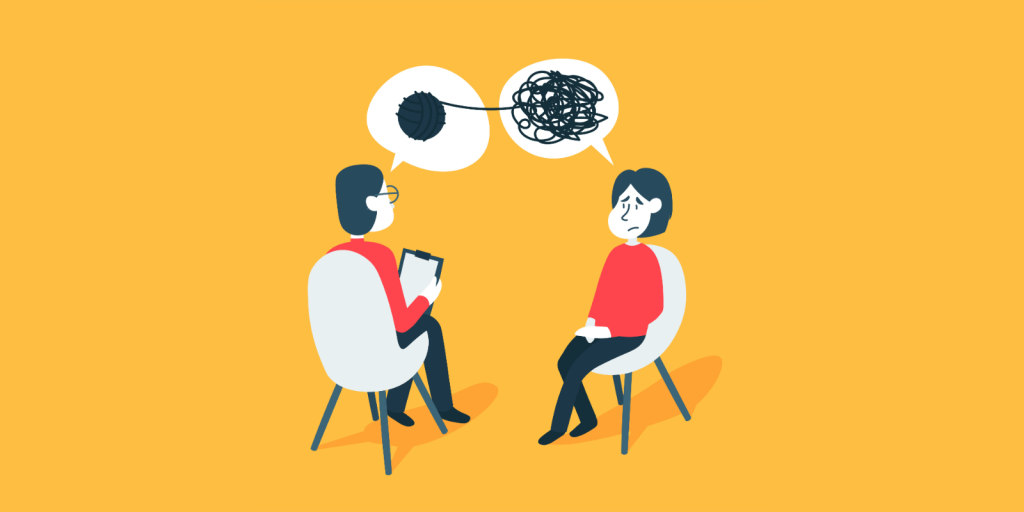
Professional guidance from a therapist or counselor can provide personalized strategies for managing anxiety symptoms effectively.
Conclusion
Early recognition of anxiety symptoms is key to maintaining emotional and physical well-being. By understanding emotional, physical, cognitive, and behavioral signs, individuals can take proactive steps to manage anxiety before it escalates. Calm Minds Hub emphasizes compassionate, evidence-based guidance to help beginners recognize early warning signs and build resilience for long-term mental health. Our homepage brings all our top categories together for you.
FAQs
What are the first signs of anxiety beginners should watch for
Early signs often include persistent worry, restlessness, irritability, muscle tension, sleep disturbances, and difficulty concentrating. Awareness of these can guide timely intervention.
Can early anxiety symptoms resolve without professional help
Yes, mild early anxiety symptoms can improve with self-care, stress management, and lifestyle adjustments, but persistent or worsening symptoms may benefit from professional support.
How can beginners prevent anxiety from escalating
Maintaining healthy routines, practicing mindfulness, managing stress effectively, and seeking guidance when needed are key strategies to prevent early anxiety symptoms from becoming more severe.