
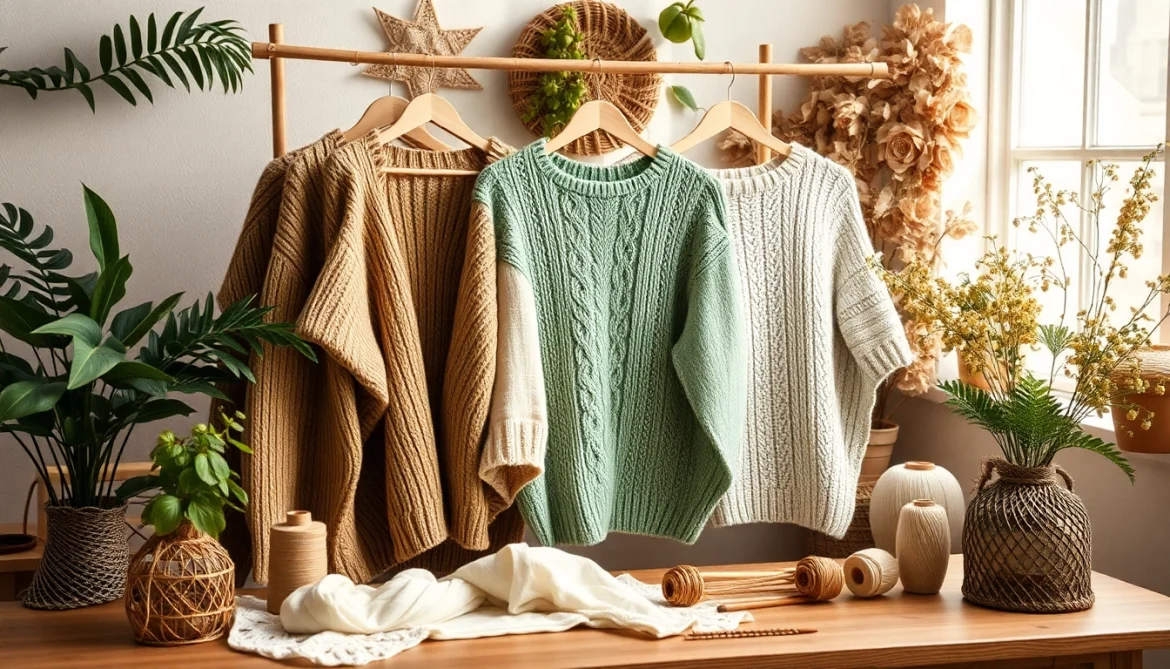
Understanding Hand-Knitted Fashion
The Historical Context of Hand-Knitting
Hand-knitting has origins that date back thousands of years, with some archaeological evidence suggesting that the practice began as far back as the 5th century. Early hand-knitted garments were primarily made from wool and were used for practical warmth and protection against the elements. The craft of knitting has evolved significantly, transitioning from a necessity for survival to an art form that encapsulates intricate designs and personal expression. Over centuries, various cultures have contributed to knitting traditions, showcasing unique techniques and patterns that reflect their heritage. This rich history sets the stage for contemporary practices that prioritize sustainability, craftsmanship, and individuality in fashion.
The Benefits of Choosing Hand-Knitted Garments
Hand-knitted garments offer a plethora of benefits that make them a superior choice for the conscious consumer. First and foremost, they typically exhibit a level of quality and durability that mass-produced clothing cannot match. Each piece is crafted with attention to detail, ensuring unique texture and fit. Additionally, many hand-knitted pieces utilize natural materials, which are softer and more breathable than synthetic fibers, providing comfort throughout the day. Beyond this, supporting hand-knitting artisans encourages local economies and promotes ethical fashion practices that respect labor rights and environmental sustainability.
Exploring Natural Materials in Fashion
The use of natural materials in hand-knitting not only enhances the aesthetic appeal of garments but also speaks to the sustainability of fashion. Fibers such as organic wool, cotton, silk, and linen are derived from renewable resources, making them more environmentally friendly than synthetic options. Additionally, natural materials often undergo less processing than their synthetic counterparts, reducing pollution and chemical use in the production process. Fashion enthusiasts are increasingly drawn to these materials, recognizing their health benefits and contribution to a more sustainable wardrobe.
Artisanal Quality in Every Stitch
Your Guide to Craftsmanship in Hand-Knitted Clothing
Artisanal craftsmanship in hand-knitted clothing reflects a commitment to quality and an understanding of the materials and techniques involved. Each piece is often designed and knit by a single artisan, who invests time and skill into the creation process. The end result is a garment that embodies uniqueness, where flaws may even add character rather than detract from its value. Additionally, this craftsmanship ensures that the techniques involved in hand-knitting are preserved and celebrated, allowing future generations to experience the beauty of hand-made fashion.
How Hand-Knitting Techniques Enhance Durability
Hand-knitting techniques, such as ribbing and cabling, not only serve aesthetic purposes but also contribute to the structural integrity of garments. These methods create elasticity and resilience, resulting in clothing that can withstand regular wear without losing shape. Furthermore, hand-knitted items often incorporate double stitching, which increases durability and extends the lifecycle of the garment. When cared for properly, these pieces can last for decades, making them a worthwhile investment.
The Importance of Ethical Production Methods
In an era where ethical fashion has gained prominence, hand-knitting stands as a beacon of sustainability. Artisans prioritize eco-friendly production methods, such as using locally sourced materials and practicing fair trade principles. This not only ensures that artisans receive fair compensation for their work but also diminishes the carbon footprint associated with transportation and distribution. Additionally, many hand-knitting practices incorporate sustainable dying techniques that avoid harmful chemicals, further contributing to an eco-conscious fashion movement.
Styles and Collections at https://www.ound-ound.com
Overview of Available Fashion Lines
At https://www.ound-ound.com, a diverse array of fashion lines is available, showcasing the artistry of hand-knitting. Collections vary from timeless staples like sweaters and cardigans to unique statement pieces designed to catch the eye. Emphasis is placed on natural colors and textures, which evoke a sense of connection to the natural world. Each collection reflects the brand’s commitment to sustainability and creativity, allowing shoppers to choose pieces that truly resonate with their personal style.
Seasonal Trends in Hand-Knitted Fashion
Hand-knitted fashion is subject to seasonal trends, much like other realms of clothing. As the seasons change, the availability of materials shifts, culminating in new designs and styles that reflect the time of year. For instance, fall and winter collections may focus on thicker, warmer materials and cozy designs, while spring and summer may feature lighter, breezier fabrics in vibrant colors and patterns. Moreover, seasonal color palettes often inspire various hand-dyed garments that cater to the evolving tastes of fashion-forward consumers.
Versatile Pieces: From Casual to Formal
The versatility of hand-knitted garments allows them to transition seamlessly from casual to formal settings. A classic hand-knit sweater can be paired with jeans for a relaxed look, while the same garment can elevate a skirt for an evening out. Additionally, hand-knitted accessories like scarves and hats serve both functional and stylish purposes, enhancing outfits without overwhelming them. This adaptability not only maximizes the use of each piece but also reduces the need for excessive purchasing, championing sustainable fashion ideals.
Complementing Your Wardrobe with Accessories
Highlighting Handcrafted Jewelry and Complementary Items
Accessories play a crucial role in personalizing and enhancing hand-knitted fashion. Handcrafted jewelry, often made with natural materials or recycled components, beautifully complements the texture and design of knitted pieces. From simple earrings to elaborate necklaces, these items can showcase an artisan’s unique style and offer further insight into the sustainability of accessories. Moreover, accessories such as belts and bags can also be crafted from eco-friendly materials, enhancing the overall integrity of an outfit.
Styling Tips for Hand-Knitted Garments
Styling hand-knitted garments effectively can elevate your fashion game. To strike a balance in outfits, consider pairing more textured items with smoother fabrics for contrast. For example, a chunky knit cardigan can look stunning over a sleek dress or tailored pants. Layering is another effective strategy, as it allows you to incorporate various knitted pieces while adjusting for temperature changes throughout the day. Finally, don’t hesitate to mix colors and patterns; a vibrant hand-knit piece can be the perfect centerpiece for a coordinated outfit.
Choosing Accessories that Elevate Your Look
When selecting accessories to pair with hand-knitted garments, prioritize items that enhance the overall look without overwhelming it. Stick to a color palette that harmonizes with your clothing; earthy tones often pair well with natural fibers. Statement pieces, such as bold earrings or a unique handbag, can draw attention to your outfit while remaining tasteful. Furthermore, consider the occasion—versatile pieces like delicate necklaces can work for both casual and formal settings, making them excellent additions to your accessory collection.
Sustainable Fashion Practices for the Future
The Role of Natural Dyes in Sustainable Fashion
Natural dyes play a vital role in the movement towards sustainable fashion by offering a reliable alternative to synthetic dyes, which are known to be harmful to both the environment and human health. Derived from plants, minerals, and insects, these dyes not only produce a beautiful spectrum of colors but also reduce the ecological impact of garment production. Many artisans are rediscovering ancient dyeing techniques, using locally sourced materials to create shades that reflect their geographical heritage. This not only elevates the garment’s uniqueness but also emphasizes the importance of supporting local ecosystems.
How to Care for Hand-Knitted Garments Sustainably
Caring for hand-knitted garments properly is essential to maintain their appearance and longevity. Always check care labels for specific instructions, but general guidelines recommend gentle washing in cold water with mild detergent to preserve fiber quality. Additionally, air drying is preferable to machine drying, as it helps maintain the garment’s shape. When not in use, store items in a cool, dry place to prevent moth damage or fading. Such practices not only extend the life of your favorite pieces but also align with the principles of sustainable fashion.
The Journey from Farm to Closet: Transparency in Production
Transparency in the production process enhances consumer trust and awareness of ethical practices in the fashion industry. The journey from farm to closet involves numerous steps, including sourcing sustainable materials, utilizing fair labor practices, and ensuring environmentally friendly production methods. By connecting consumers with the artisans behind their garments, brands foster a deeper appreciation for the craftsmanship and resources involved in their creation. This newfound understanding supports informed purchasing decisions that prioritize ethical and sustainable fashion choices.