
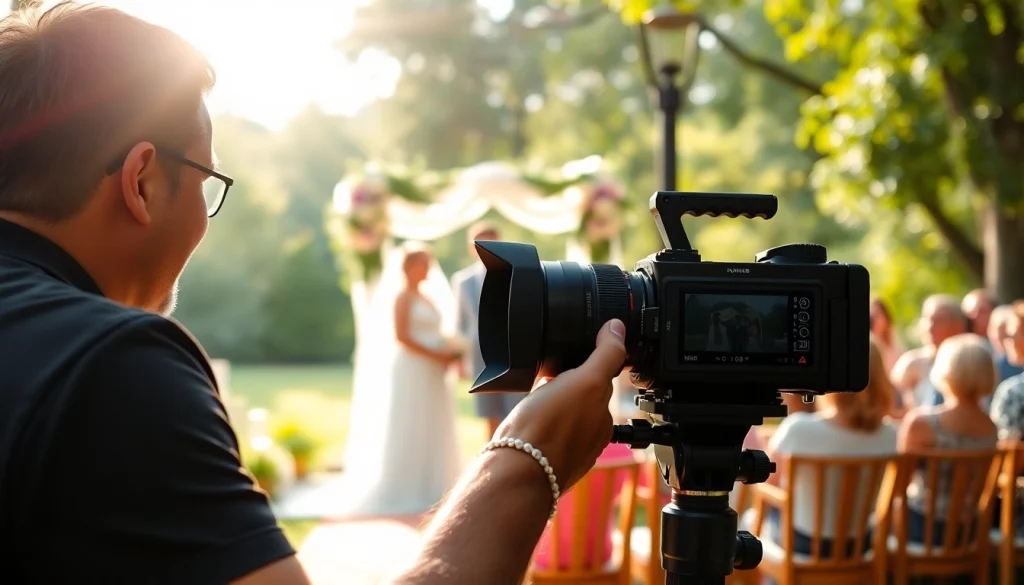
Understanding the Role of a Videographer
The term “Videographer” encompasses a wide range of responsibilities and skills focused on the art of capturing motion and producing visual stories that resonate with audiences. In an age where video content reigns supreme, understanding the multifaceted role of a videographer is essential for individuals and businesses looking to enhance their visual presence. Whether for events, marketing campaigns, or artistic endeavors, knowing what a videographer does can significantly impact the success of your project. This guide will delve into every aspect of a videographer’s work, from what they do to how to choose the right professional for your needs. For those seeking further insights on finding a skilled Videographer, this article is an invaluable resource.
What a Videographer Does
A videographer is responsible for capturing video footage, editing it, and creating compelling narratives through visual storytelling. Their role varies depending on the specific project, which can range from weddings to corporate events, documentary filmmaking, and promotional videos. Generally, the responsibilities of a videographer include:
- Planning and Pre-Production: This involves discussing the project with clients, understanding their vision, creating shooting scripts, scouting locations, and preparing necessary equipment.
- Filming: Videographers handle camera operations, lighting, audio capture, and direction. They must adapt to dynamic environments, ensuring that every shot aligns with the intended narrative.
- Post-Production: This stage includes organizing footage, editing videos for pacing and clarity, incorporating graphics or animations, and applying sound design and color grading to enhance the final product.
In essence, a videographer transforms ideas into visual experiences that engage viewers and convey messages effectively.
Different Types of Videography Services
Videographers typically specialize in various niches that inform their artistic and technical approach. The main categories of videography services include:
- Event Videography: Coverage of events such as weddings, concerts, and corporate gatherings. This type typically requires the ability to capture spontaneous moments and emotions.
- Commercial Videography: Focused on creating promotional materials for businesses, including advertisements, product videos, and corporate training content.
- Documentary Videography: Involves storytelling through factual content, requiring a strong narrative structure and an emphasis on real-life events.
- Real Estate Videography: Providing immersive media for real estate listings, showcasing properties through video walkthroughs, and drone footage to attract potential buyers.
- Music Videography: Collaborating with musicians to create engaging music videos that represent their artistic style and songs visually.
Each niche presents unique challenges and opportunities, highlighting the versatility and creativity required of a successful videographer.
Key Skills a Videographer Must Have
Success in videography hinges on a blend of technical knowledge, artistic ability, and interpersonal skills. Here are some of the essential skills a videographer should possess:
- Technical Proficiency: Knowledge of cameras, lenses, lighting, and sound equipment is crucial. A solid understanding of software for video editing, color correction, and audio enhancement is also necessary.
- Cinematic Storytelling: The ability to tell a compelling story through visuals, choosing the right shots, and creating poignant narratives that resonate with viewers is essential.
- Attention to Detail: Videographers must have a keen eye for compositions, background distractions, and lighting variations, ensuring that every shot fulfills the project’s vision.
- Communication and Collaboration: Working effectively with clients, subjects, and potentially large teams requires strong communication skills, enabling the videographer to understand client needs and articulate creative ideas.
- Adaptability and Problem-Solving: Filming often involves unforeseen challenges. Videographers must pivot quickly and find solutions on the fly without losing sight of the project goals.
Developing and honing these skills is vital for those looking to thrive in the competitive landscape of videography.
Choosing the Right Videographer for Your Needs
When it comes to selecting a videographer, the wealth of talent available can be overwhelming. However, identifying the right fit for your specific project is crucial to achieving a successful outcome. Here are key considerations to help guide your choice.
Questions to Ask Potential Videographers
Before making a decision, engage prospective videographers with pertinent questions to gauge their expertise and compatibility. Consider asking:
- Can you share your portfolio? Reviewing their previous work helps ascertain if their style aligns with your vision.
- What is your experience with projects like mine? Knowledge of your niche ensures familiarity with expectations and challenges.
- How do you handle post-production? Understanding their editing process and timeline will help set expectations for project completion.
- What is your pricing structure? Clarity on financial aspects ensures that there are no surprises later on.
- How do you handle any unforeseen challenges during filming? A good videographer should have contingency plans for potential disruptions.
Taking the time to ask these questions will yield deeper insights into their working style and reliability.
Reviewing Portfolios Effectively
Portfolios are an essential aspect of assessing a videographer’s skills. When reviewing them, pay attention to:
- Quality of Work: Evaluate technical proficiency in cinematography, sound design, and editing.
- Diversity of Styles: A varied portfolio indicates versatility and creativity, showcasing their ability to adapt to different types of projects.
- Storytelling Ability: Look for videos that project a clear narrative and evoke emotional responses.
- Client Reviews: Feedback from previous clients can provide valuable insights about a videographer’s professionalism and commitment to delivering quality work.
By diligently examining portfolios, you can make informed decisions that are likely to lead to satisfactory results.
Understanding Pricing Structures
Videography pricing can range widely based on many factors such as experience, project complexity, and length of production. It is critical to understand how videographers price their services, which may include:
- Hourly Rate: Common for shorter projects or consultations.
- Project-Based Pricing: A flat fee based on the scope of the project and services included.
- Packages: Some videographers offer bundled services, providing a cost-effective solution for events or ongoing contracts.
When discussing pricing, ensure you clarify what is included (filming duration, editing rounds, revisions), and don’t hesitate to negotiate terms that align with your budget without compromising quality.
Best Practices for Working with a Videographer
Once you’ve chosen a videographer, collaboration is essential to create an end product that meets your expectations. Here are some best practices for working with them:
How to Prepare for a Successful Shoot
Preparation is the key to a smooth shoot. Consider the following:
- Create a Shot List: Outline any specific shots or moments you wish to capture, allowing the videographer to plan accordingly.
- Arrange Location Access: Ensure that any necessary permissions for filming are secured in advance.
- Communicate Expectations: Openly discuss your goals for the project, preferred styles, and any reference videos that convey your vision.
- Organize Talent and Participants: Notify involved parties about the filming schedule, and discuss their roles in advance.
Being proactive in your preparation enhances the efficiency of the shooting process while minimizing the chance of misunderstandings.
Collaborating on Your Vision
Successful collaboration with your videographer is crucial for bringing your vision to life. To foster a collaborative environment:
- Encourage Open Dialogue: Maintain a transparent communication channel to discuss ideas, changes, and feedback freely.
- Be Open to Their Expertise: A videographer brings a wealth of experience; value their suggestions and insights into the storytelling process.
- Schedule Rehearsals: For performance-driven projects, conducting rehearsals allows the videographer to understand pacing and positioning better.
Collaboration ultimately leads to a shared vision that enriches the creative outcome.
What to Expect During Post-Production
Post-production is where the magic happens. Understanding this phase will help your working relationship with the videographer:
- Editing Timeline: Discuss expected turnaround times for completed edits based on complexity and length.
- Feedback Rounds: Be prepared to provide constructive feedback during the editing process. Establish how many rounds of revisions are included in the agreement.
- Deliverables: Clarify the formats in which you will receive the final video (e.g., online files, physical media) and any additional services like social media snippets.
Embracing transparency in post-production ensures a smoother final product that fulfills your creative intent.
Promoting Your Content as a Videographer
For videographers looking to build a robust brand, effective promotion of their work is key. Here are strategies to maximize visibility and showcase talents:
Using Social Media to Showcase Your Work
Social media platforms provide an incredible opportunity for videographers to share their work and connect with potential clients. To leverage these platforms effectively:
- Curate Engaging Content: Post highlights, behind-the-scenes footage, and time-lapse edits to engage your audience.
- Interact with Followers: Respond to comments and messages, fostering a community around your work.
- Utilize Hashtags: Use relevant hashtags to improve discoverability and reach a broader audience within your niche.
Social media can serve as a vital tool for brand exposure while allowing you to interact with a diverse audience.
Networking with Other Creatives
Building a network with other professionals improves opportunities and collaborations. Consider these networking strategies:
- Attend Industry Events: Engage in workshops, conferences, and local meet-ups to connect with like-minded professionals.
- Participate in Online Communities: Online forums and groups dedicated to videography can be great venues for sharing insights and seeking collaborations.
- Collaborate on Projects: Partnering with photographers, musicians, or businesses can expand your portfolio while building valuable relationships.
Networking fosters a supportive environment where creativity can flourish and lead to new opportunities.
Creating a Professional Website
Having a professional website is essential for establishing credibility and showcasing your work. When building your site, prioritize:
- Portfolio Display: Include a diverse range of projects, showcasing versatile skills and styles to attract different clients.
- About Section: Share your story, experience, and unique selling points to connect with potential clients on a personal level.
- Contact Information: Ensure that contacting you is easy and straightforward, providing various methods (email, phone, social media links).
A well-structured website serves not only as a portfolio but also as a marketing tool that promotes your services effectively.
Measuring Success: Metrics for Videography Projects
After the completion of videography projects, assessing success is critical for future improvements and adjustments. Here are key metrics for evaluation:
Analyzing Viewer Engagement
Engagement metrics shed light on how audiences respond to your videos. Important factors to consider include:
- Views: The number of times your video is watched reflects overall interest.
- Likes and Shares: Positive reactions and shares indicate the content resonates with viewers, suggesting the effectiveness of your story.
- Comments: Viewer feedback can provide nuanced insights into what worked and what didn’t and inform future projects.
Regularly tracking these metrics helps fine-tune future content strategies and understand audience preferences.
Gathering Feedback and Reviews
Post-project reviews and client feedback are invaluable for continuous improvement. Consider:
- Client Surveys: Send structured surveys to gather detailed feedback about their experiences and outcomes.
- Request Testimonials: Positive client testimonials can enhance your credibility and serve as persuasive marketing tools for prospective clients.
Actively seeking feedback supports the enhancement of services while building trust with clients.
Tracking Your Growth as a Videographer
Ongoing self-assessment is crucial for professional development. Regularly evaluate:
- Skill Development: Identify areas for growth in technical skills or storytelling, seeking out training or mentorship when needed.
- Portfolio Evolution: Update and refine your portfolio regularly to reflect your most current work and improvements.
- Client Retention: Monitor how many clients return for additional projects, indicating satisfaction and the strength of your professional relationships.
Measuring growth is key to thriving in the videography industry, allowing for continual excellence and improvement.