
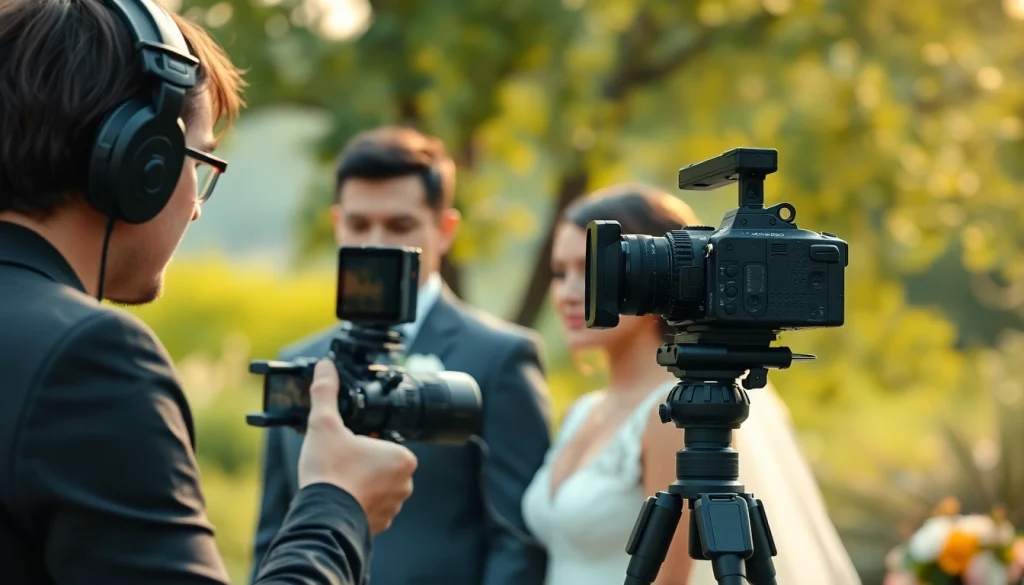
Understanding the Role of a Videographer
In an age where visuals dominate communication, the role of a Videographer has gained immense significance. Videographers are the artistic professionals behind the lens who are entrusted with the responsibility of capturing moving images that tell stories, evoke emotions, and document experiences. Whether for weddings, corporate events, or creative projects, the contributions of a skilled videographer are integral to preserving memories and enhancing brand narratives.
What Does a Videographer Do?
A videographer is primarily responsible for shooting, editing, and producing video recordings. This involves a variety of tasks, including:
- Pre-Production Planning: This stage can include brainstorming ideas, conceptualizing the narrative, and planning the logistics of the shoot.
- Shooting: This involves using professional-grade cameras and equipment to capture high-quality footage, often in dynamic environments.
- Post-Production: Editing the captured footage is a crucial component of the videographer’s job. This might involve cutting scenes, adding special effects, adjusting sound and color, and assembling the final product.
- Client Interaction: Videographers often engage with clients to understand their vision and incorporate their feedback into the final product.
Key Skills of a Videographer
To excel in the field of videography, professionals require a unique skill set, including:
- Technical Proficiency: Mastery of video equipment, camera operation, and software for editing (like Adobe Premiere Pro or Final Cut Pro) is essential.
- Creativity: A strong creative vision enables videographers to produce engaging and unique content that resonates with audiences.
- Attention to Detail: Ensuring every frame is perfect requires precise attention to detail during both shooting and editing.
- Communication Skills: Being able to effectively communicate with clients and collaborate with other team members is crucial for creating successful video projects.
The Importance of Videography in Events
Videography plays a pivotal role in documenting significant events such as weddings, corporate gatherings, and community celebrations. The videos created are not only valuable retrievable memories for clients but can also serve marketing and promotional purposes.
For events like weddings, videographers capture not only the ceremony but the emotions, interactions, and the essence of the day. The result is a visual narrative that couples can cherish for years to come. In corporate events, videographers provide companies with promotional material that showcases their culture, achievements, and product launches, enhancing overall brand visibility.
Types of Videographers and Their Specialties
The world of videography encompasses various niches, each with its distinct focus and style. Understanding these specialties is crucial when selecting a videographer to match your project’s needs.
Wedding Videographer vs. Event Videographer
While both wedding and event videographers share common skills, their approaches and techniques often vary greatly.
- Wedding Videographers: Specialize in capturing the story of a couple’s wedding day. They must be adept at discreetly recording intimate moments while also managing the logistics of various shoots throughout the day, including getting ready, the ceremony, and the reception.
- Event Videographers: Focus on a broader range of functions including corporate events, concerts, and conferences. They are skilled at adapting to different environments and capturing the essence of the activities, presentations, and audience engagement.
Commercial Videographer Insights
Commercial videographers focus on creating promotional content aimed at marketing products and services. Their work can include:
- Advertisements: Crafting short and impactful video advertisements that engage potential customers.
- Brand Stories: Producing longer videos that narrate a company’s history, values, and mission, enhancing brand identity.
- Product Demonstrations: Creating instructional videos that showcase how products work and their benefits to prospective buyers.
In the competitive marketplace, a commercial videographer’s creative approach can make a significant difference in how the audience perceives a brand.
Documentary Videographer Techniques
Documentary videographers strive to tell real stories through the lens. Their key techniques include:
- Research and Planning: In-depth research is fundamental for understanding the subject matter and ensuring accuracy in storytelling.
- Interview Techniques: Conducting compelling interviews that elicit powerful narratives from subjects.
- Visual Storytelling: Enhancing the documentary through visuals that support the narrative, including b-roll footage and graphics.
How to Choose a Videographer for Your Needs
Finding the right videographer can significantly impact the quality and success of your project. Here are key considerations to help guide your decision:
Evaluating Experience and Portfolios
Reviewing a videographer’s portfolio offers insight into their style and expertise. Look for:
- Diversity: A portfolio showcasing various styles and projects illustrates versatility in their work.
- Consistency: Assess the quality of work across different projects; consistent quality is a good indicator of professionalism.
- Testimonials: Read reviews from previous clients to understand their experiences and satisfaction levels.
Questions to Ask Potential Videographers
When interviewing potential videographers, consider asking the following questions:
- What is your approach to storytelling in videography? Understanding their narrative techniques can help align with your vision.
- Can you provide references or examples of past work similar to mine? This adds context to their expertise related to your particular needs.
- What equipment do you use? Assuring that they use high-quality equipment is vital for the final product.
Understanding Pricing Structures
Pricing for videography can vary widely based on experience, location, and the complexity of the project. Common price structures include:
- Hourly Rates: Some videographers charge by the hour, which can be beneficial for short projects.
- Flat Fees: A flat fee might cover all aspects of the project, including shooting and post-production, providing clearer budgeting.
- Package Deals: Many videographers offer packages that bundle various services, making it easier to understand what is included at a set price.
Best Practices for Working with a Videographer
To ensure a smooth collaboration and a high-quality final product, consider the following best practices when working with a videographer:
Preparing for Your Shoot
Preparation is key to a successful shoot. Here are some tips to set up for the best possible outcomes:
- Storyboard Your Vision: Having a clear idea of the scenes, shots, and messages you want to convey can greatly help the videographer.
- Logistics Planning: Work on logistics such as timing, locations, and key people to be filmed to ensure everything runs smoothly.
- Technical Requirements: Have an open discussion with the videographer about any specific technical needs you have for shooting.
Collaborating During the Event
During the actual event, effective collaboration can make a significant difference:
- Trust the Videographer: Allow the videographer space to work their magic and trust in their experience to capture key moments.
- Communicate Clearly: Make your expectations clear and be available for any questions they might have during the event.
Post-Production and Final Deliverables
Post-production is where the magic happens. Ensure you understand what to expect:
- Editing Timeline: Be aware of how long the post-production process will take and when you can expect to receive your final deliverables.
- Revisions: Clarify how many rounds of revisions are included in the project agreement to avoid misunderstandings later on.
- Final Formats: Discuss what formats the final video will be delivered in (e.g., digital, DVD, etc.), based on how you intend to use the footage.
Trends in Videography: What to Expect
The field of videography evolves continually, as technology and audience expectations change. Staying informed about trends can position you to leverage the latest innovations effectively.
Emerging Technologies in Videography
New technologies are continuously reshaping videography, including:
- 4K and 8K Video: Higher resolutions enhance the visual appeal and detail of videos, becoming a new standard for quality.
- Drone Videography: Aerial shots provide a unique perspective and have become increasingly popular for events and commercials.
- Virtual Reality (VR): VR technologies are paving the way for immersive storytelling experiences that can engage audiences more deeply.
Creative Techniques to Consider
Beyond technology, creative techniques are also evolving. Some trends include:
- Documentary-Style Shoots: This naturalistic approach captures real emotions and interactions, adding authenticity.
- Time-Lapse and Slow Motion: These effects have the potential to turn ordinary moments into extraordinary visual narratives.
- Interactive Videos: Videos allowing viewer interactions (like choosing a storyline) are gaining traction and enhancing engagement.
Future of Videographer Services
As the demand for video content continues to rise across various sectors, videographers will see opportunities to expand their roles, adopting multi-faceted skill sets to include aspects of marketing and content strategy. As virtual communities grow, the importance of video as a tool for connection and engagement will solidify its place in future business and storytelling solutions.