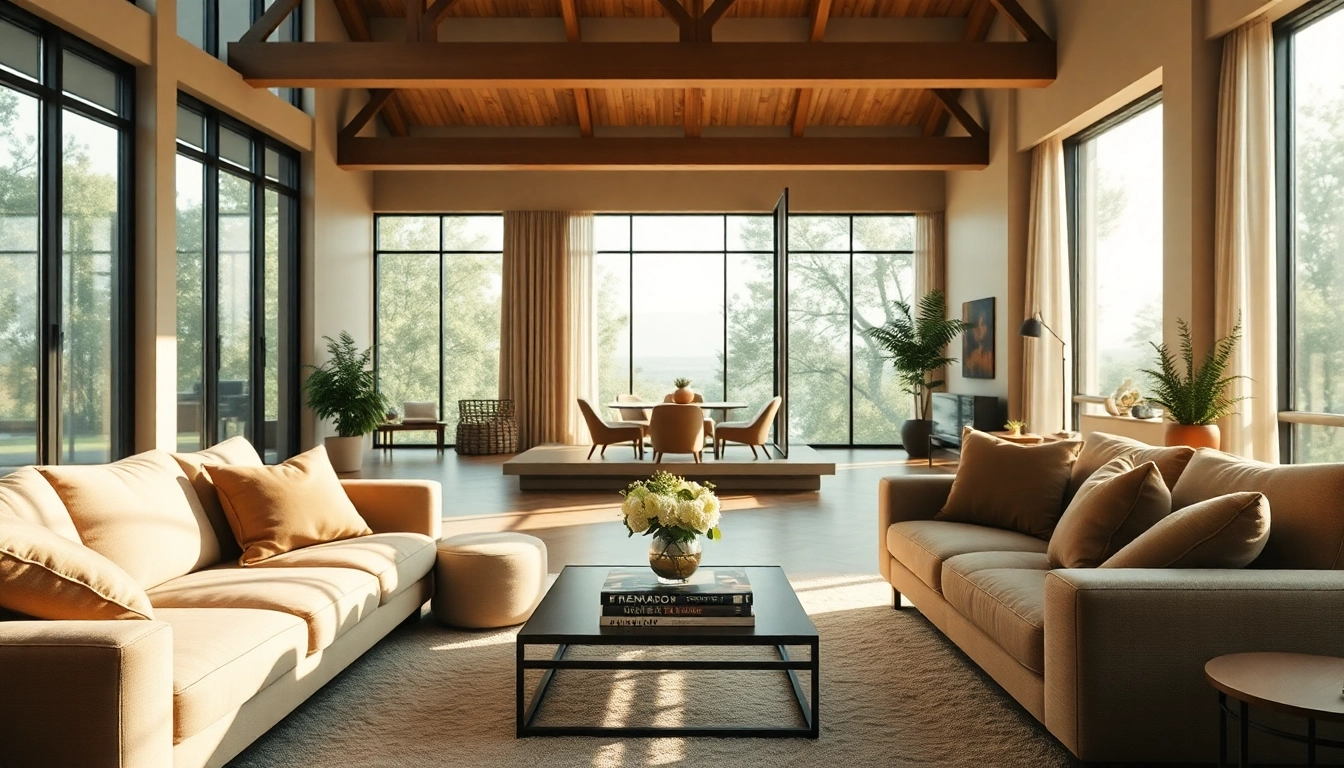
Understanding Seamless Living: A Comprehensive Guide
In today's fast-paced world, the concept of Seamless Living has emerged as a revolutionary approach to home design and lifestyle. This concept is not only about aesthetics but also centers around creating harmonious and functional living spaces that promote comfort, efficiency, and peace of mind. As individuals become increasingly aware of the importance of environment on their well-being, Seamless Living offers a solution that integrates style, comfort, and practicality.
What is Seamless Living?
Seamless Living is a holistic lifestyle that emphasizes the integration of different aspects of life within a living space. It advocates for environments that promote ease of movement, functionality, and beauty. The philosophy behind Seamless Living implies that every element in a home—from furniture to color schemes—should work in concert rather than against one another. This includes ensuring open spaces flow harmoniously, making daily tasks easier and more enjoyable.
Key Benefits of Seamless Living
- Enhanced Well-being: Seamless Living promotes mental clarity and emotional well-being by creating calm, organized spaces.
- Increased Efficiency: An efficient layout minimizes wasted time and effort in daily routines.
- Flexibility: Adaptable spaces can accommodate various activities, be it work, relaxation, or entertaining guests.
- Improved Aesthetics: Thoughtful design leads to visually appealing environments that elevate mood and perspective.
Essential Components for Seamless Living Spaces
To achieve a seamless living environment, several fundamental components must be integrated, including:
- Flow: Ensuring rooms connect smoothly through design and layout optimizes the use of space.
- Natural Elements: Incorporating plants and natural light fosters a connection with the outdoors.
- Smart Design Choices: Utilizing multifunctional furniture allows for versatility without compromising style.
- Coordinated Color Palettes: A cohesive color scheme can tie different spaces together, enhancing the overall fashion.
Design Principles for Seamless Living
Creating Open Spaces for Flow
Open spaces are foundational to Seamless Living, allowing for fluidity and easy transitions from one area to another. Removing unnecessary walls and barriers can significantly enhance the feeling of spaciousness, making areas feel more connected. Consider physical cues like color transitions, lighting, and flooring material to define spaces without physical partitions.
Color Schemes that Enhance Seamless Living
Choosing an appropriate color palette is critical in creating a seamless living environment. Neutral tones often work well as they provide a calming backdrop while accommodating various furniture styles and decorative elements. Accent colors can be used strategically to add interest and depth, providing focal points within the space without making it feel chaotic.
Furniture Selection for Fluidity
Opt for furniture that is not only attractive but also serves multifunctional purposes. Pieces like ottomans that double as storage boxes or sofas that convert into beds are ideal. Moreover, arranging furniture to promote conversation rather than blocking traffic flow ensures that spaces feel inviting and purposeful.
Practical Solutions for Everyday Seamless Living
Maximizing Natural Light in Your Home
Natural light is a significant contributor to creating a welcoming and energetic atmosphere. Consider strategies such as using sheer window treatments, strategically placing mirrors to reflect light, or opting for skylights. The use of light colors in furnishings and decor can enhance the sunlight that enters your space.
Smart Storage Ideas to Minimize Clutter
A vital aspect of Seamless Living is a clutter-free environment. Invest in built-in storage solutions that blend seamlessly with your decor. Open shelving can display cherished items while remaining functional, whereas baskets and decorative boxes can store items discreetly without compromising style.
Creating Functional Zones in Open Layouts
While open layouts define Seamless Living, having designated functional zones can enhance usability. Use area rugs to visually separate different spaces (e.g., living area from dining space) while maintaining an overall cohesive aesthetic. Clear navigation paths and specific lighting types can also contribute to distinguishing each zone effectively.
Examples and Inspiration for Seamless Living
Real-Life Case Studies
Real-life implementations of Seamless Living can serve as powerful inspiration. For instance, several urban apartments have embraced this design philosophy to maximize living in small spaces. These homes showcase creative layouts that encourage fluid movement while including elements like sliding walls that adapt the environment based on need.
Visual Inspirations from Around the World
International design approaches offer valuable insights into achieving Seamless Living. Scandinavian minimalism, known for its functionality and simplicity, contrasts beautifully with the warm, inviting eclecticism found in Mediterranean designs. Sourcing ideas from diverse cultures can significantly enhance your personal style while adhering to the principles of fluidity and harmony.
Adaptations for Different Space Constraints
No matter the size or shape of your home, adaptations can be made to suit your specific context. Smaller apartments can benefit from vertical storage solutions and foldable furniture, while larger homes might consider expansive layouts that prioritize nature integration. The key is to remain flexible, ensuring that your living space meets your lifestyle needs.
Frequently Asked Questions about Seamless Living
What are the key elements of Seamless Living?
Key elements include open spaces for flow, a cohesive color palette, multifunctional furniture, and smart design choices that enhance usability and aesthetics.
How can I integrate seamless living in a small space?
Utilize multifunctional furniture, maximize vertical storage, and create zones with visual cues like rugs to maintain flow while enhancing functionality.
What color palettes work best for seamless living?
Neutral tones complemented by strategic accent colors work best, creating a calming environment while allowing flexibility in decor and furniture choices.
How does furniture layout affect seamless living?
Furniture layout significantly impacts flow and usability; arranging pieces to promote conversation and free movement is essential for achieving a seamless environment.
Are there budget-friendly tips for achieving seamless living?
Embrace DIY projects, repurpose existing furniture, use open shelving for display and storage, and opt for affordable paint to transform spaces on a budget.