Understanding the Importance of a Fly Fishing Net
What Makes a Fly Fishing Net Essential?
A fly fishing net is not just a mere accessory; it's an indispensable tool for any angler. When you land a fish, having a net makes the process smoother, minimizing stress on the fish and ensuring a successful catch. An efficient net can mean the difference between losing a prized catch and bringing it home or safely releasing it back into the water. Moreover, a well-designed Fly fishing net enhances your overall fishing experience, making it more enjoyable and effective.
Benefits of Using a Fly Fishing Net
Utilizing a fly fishing net offers several advantages. Firstly, nets reduce the time a fish spends out of water, increasing its likelihood of survival post-catch, particularly during catch-and-release fishing. Less time out of water means better recovery for the fish and reduced harm to its delicate body. Secondly, nets can help you handle fish safely, protecting both the angler and the fish. Lastly, using a net can enhance your fishing efficiency; it allows for quicker catches, letting anglers focus more on fishing than wrestling with slippery fish.
Catch and Release Practices with Fly Fishing Nets
Catch and release fishing has gained popularity among anglers who wish to preserve fish populations and promote sustainability. A fly fishing net plays a pivotal role in this practice. Rubberized nets, in particular, are noted for minimizing damage to the fish’s mucus layer, which is vital for their health. This protective layer helps prevent infections, ensuring that released fish have the best chance of survival. Additionally, using a net prevents the fish from thrashing about and injuring themselves, making it an essential tool for responsible anglers.
Types of Fly Fishing Nets
Different Styles of Fly Fishing Nets
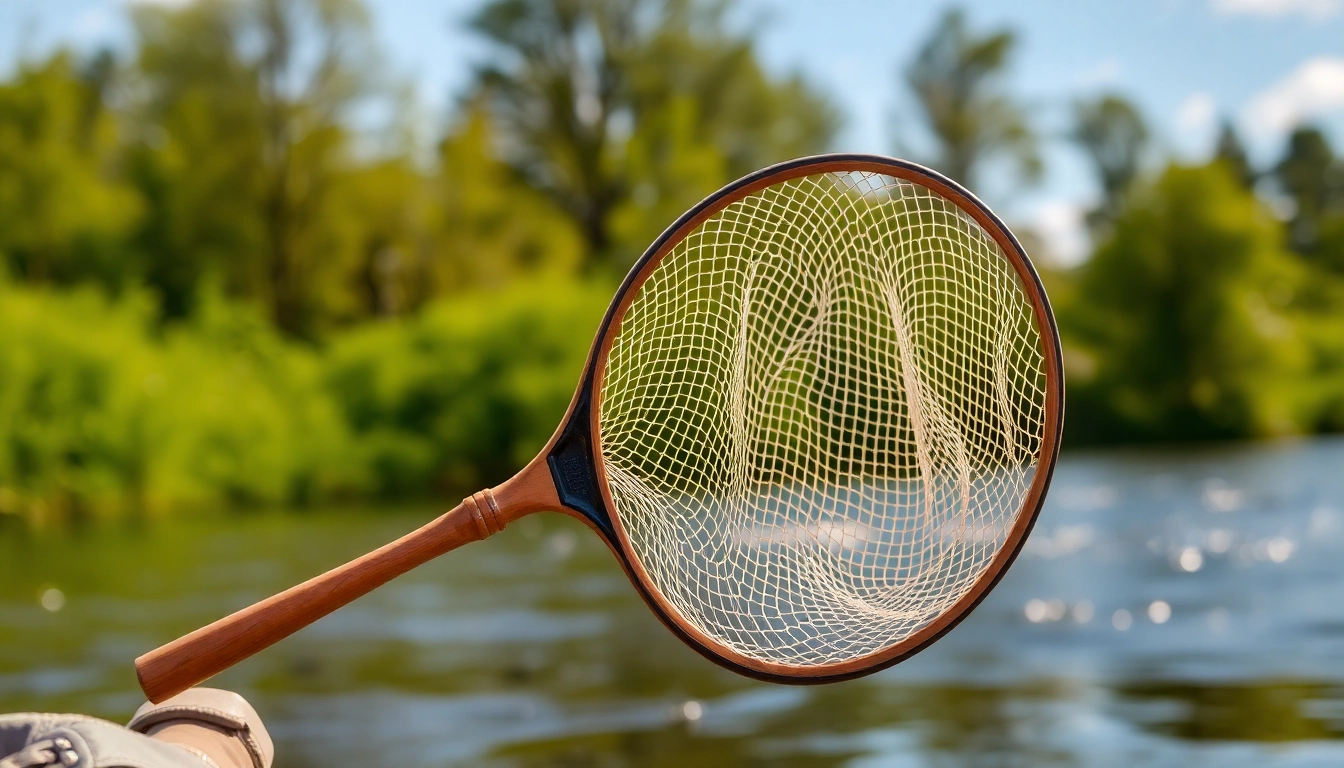
There are various styles of fly fishing nets available, each designed for specific scenarios and types of fishing. Landing nets typically feature a large hoop and a long handle, allowing anglers to reach further and safely land larger fish. Boat nets are usually smaller and more compact, designed to fit inside the limited space of a boat. Stream nets are lightweight and portable, designed for urban anglers who require mobility in a stream or river. Each style offers unique benefits tailored to different fishing environments.
Material Choices for Fly Fishing Nets
The materials used in constructing a fly fishing net significantly impact its performance and durability. Common materials include wood, aluminum, and carbon fiber. Wooden nets are often aesthetically pleasing and provide a traditional feel, but they can be heavier and absorb water over time. Aluminum nets are lightweight, corrosion-resistant, and durable. Carbon fiber nets are the lightest and often most durable, ideal for serious anglers who prioritize weight and performance. The choice of material should align with your fishing style and personal preferences.
Understanding Net Sizes and Shapes
The size and shape of a fly fishing net are crucial factors to consider. For instance, hoop sizes range from 8 to 20 inches or more, depending on the fish species you are targeting. Smaller species like trout may require nets with smaller hoops, while larger fish such as steelhead or salmon may necessitate larger nets. The shape of the net should also be compatible with your fishing environment. Deeper nets may be better for larger fish that tend to thrash, while shallower nets are suitable for smaller, calmer species.
How to Choose the Right Fly Fishing Net
Evaluating Your Fishing Environment
Your fishing environment can significantly influence the type of net you should choose. If you frequently fish in tighter spaces like streams, a lightweight and compact net would be preferable. Conversely, when fishing from a boat or targeting larger fish in lakes, a larger net with a strong handle may be more appropriate. Assessing the terrain and water conditions will help guide your purchase to ensure maximum effectiveness.
Matching Net Features to Fish Species
When selecting a net, consider the species you primarily target. Different species require different net features. For example, larger fish will need a net with a larger hoop and a stronger frame to withstand their weight. If fishing for catch and release, then a net with rubberized mesh can reduce stress on the fish. Always evaluate how the net's size, shape, and material align with the type of fish you are aiming to catch for optimal outcomes.
Considering Weight and Portability
Portability is a significant consideration for anglers, especially those who frequently hike to remote locations. Lightweight nets with collapsible designs can be easily carried without taking up much space. For those who prioritize performance, it is essential to find a balance between weight and sturdiness, ensuring that your net remains effective during use, without becoming too cumbersome during transport.
Maintenance and Care for Fly Fishing Nets
Cleaning Your Fly Fishing Net
Regular cleaning of your fly fishing net is vital to prolong its life and maintain efficient functionality. After each use, rinse your net with fresh water to remove dirt, salt, or algae. For deeper cleaning, a mild soap solution can help eliminate any built-up residue. Ensure that you thoroughly rinse the soap away to prevent any potential harm to the aquatic environment. Proper cleaning will help maintain the integrity of the net's materials and performance.
Storing Your Fly Fishing Net Properly
How you store your fly fishing net significantly affects its durability. After cleaning, ensure the net is completely dry to prevent mildew or rust, particularly for metal components. Store your net flat in a cool, dry place, avoiding direct sunlight that may degrade materials over time. If your net has a collapsible feature, ensure it's folded properly to maintain its shape and prevent unnecessary wear.
Repairing Common Issues with Fly Fishing Nets
Even the most durable nets can encounter issues over time. Common problems include tears in the mesh or damage to the handle. For minor tears, needle and thread can often suffice, allowing you to sew up small rips. If your net’s hoop or handle is cracked or broken, replacement parts or professional repairs may be necessary. Regularly inspecting your net can help catch these issues early, ensuring you’re always prepared for your next fishing adventure.
Frequently Asked Questions about Fly Fishing Nets
What size net is best for fly fishing?
It depends on the target species; smaller fish need a hoop size of 8-15 inches, while larger fish like salmon require nets with hoop sizes over 20 inches.
Why is netting fishing illegal?
Some nets are illegal due to their harmful effects on marine ecosystems, causing unintended catches and injuries to various species.
Why do fly fishermen use nets?
Nets help reduce fish stress during catch and release, ensuring better chances of recovery and protecting both the fish and the angler.
How to choose the right net for catch and release?
Look for rubberized nets to minimize harm, select an appropriate size for your target species, and ensure it's lightweight for easy handling.
Are rubber nets better for fish conservation?
Yes, rubber nets reduce the risk of slime layer removal and are gentler on fish, increasing survival rates when practicing catch and release.