
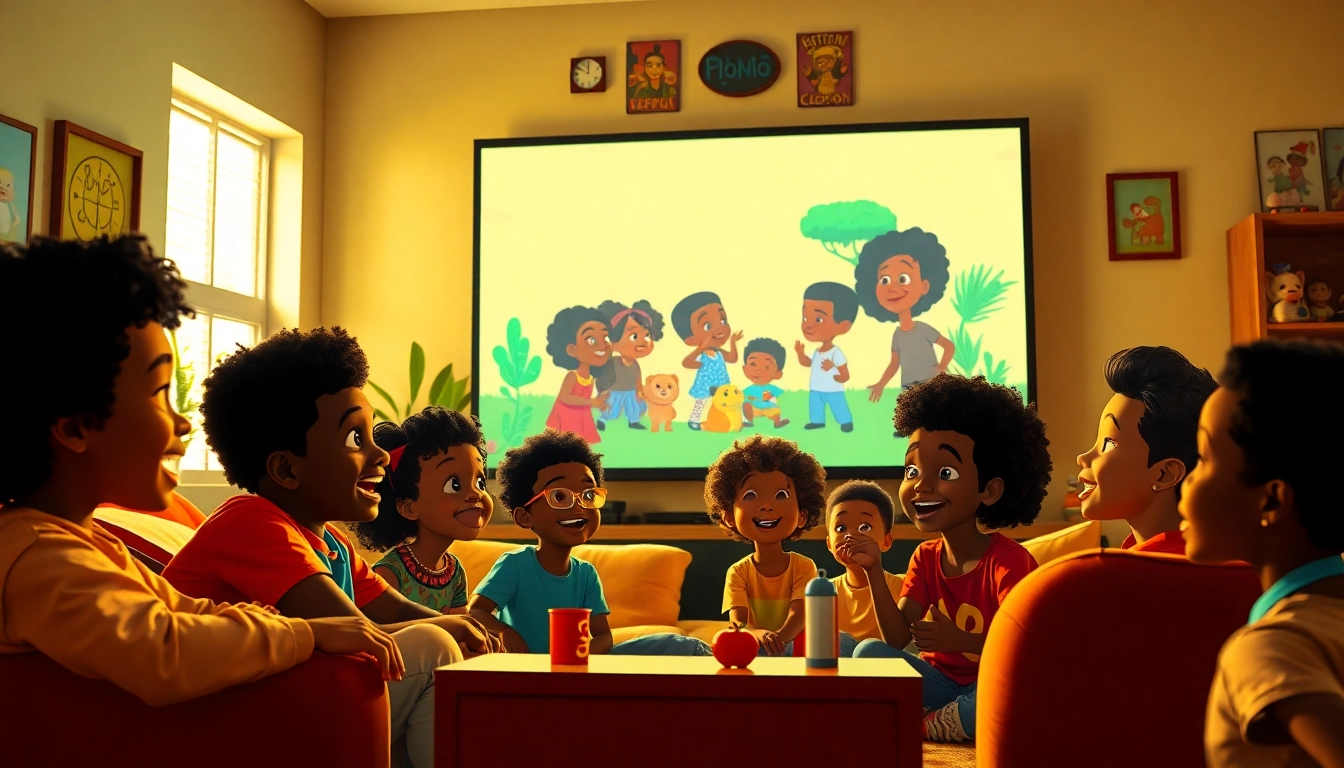
The Rich History of African American Cartoons
The world of animation has seen a remarkable evolution over the decades, and at the forefront of that change is the rich history of African American Cartoons. Since their inception, these cartoons have not only entertained viewers but have also represented complex cultural narratives, reflecting African American experiences and perspectives. The portrayal of black characters in animation has created a unique space where societal issues, creativity, and humor intersect, making them significant in both entertainment and education.
1. Iconic Characters that Shaped Animation
Throughout the years, numerous African American characters have made unforgettable contributions to animation. Characters such as Fat Albert, created by Bill Cosby, and the titular characters of 'The Boondocks,' Huey and Riley Freeman, are testaments to the influence and creativity brought forth by black artists and writers. These characters not only provided representation but also challenged stereotypes and sparked discussions about race, identity, and culture.
2. Cultural Impact in Family Entertainment
African American cartoons have played a key role in shaping family entertainment. Shows like 'The Proud Family' have succeeded in integrating themes of family, friendship, and cultural pride, making them relatable to both children and adults. The ability of these shows to address real-life issues through a comedic lens has resonated with audiences, allowing for important conversations about society and culture in an accessible format.
3. Evolution of Representation in Cartoons
The evolution of representation in African American cartoons reflects broader societal changes. From early portrayals that often relied on harmful stereotypes to more nuanced and diverse characters today, the shift has been significant. This evolution is indicative of the demand for authentic representation and has paved the way for future generations of artists and animators to tell their stories through animation.
Modern Trends in African American Animation
As we move into 2026, modern trends in African American animation are shaping the landscape of the industry. New narratives and fresh ideas from a diverse array of creators are emerging, pushing the boundaries of traditional storytelling.
1. New Releases in 2026 to Watch
Animators and studios are gearing up for exciting new releases in 2026 that showcase African American talent and themes. Upcoming series such as 'Motown Magic' and innovative projects on streaming platforms are set to break new ground, offering viewers a mix of entertainment, artistry, and cultural insight. Keep an eye out for these titles as they promise to be both engaging and educational.
2. Influential Creators and Directors
Influential figures in the animation industry, such as Carl Jones and Tiffany Ford, are crafting stories that resonate with younger audiences while also paying homage to historical events and cultural icons. Their commitment to authenticity and representation allows for a broader spectrum of stories to be told, inspiring the next generation of animators and writers.
3. Incorporating Diverse Stories and Experiences
The infusion of diverse stories has become essential in modern animation. African American cartoons are increasingly exploring themes surrounding identity and culture, as seen in projects like 'Craig of the Creek' and 'Adventure Time: Distant Lands'. These narratives help foster empathy and understanding among children of diverse backgrounds, making animation a powerful tool for learning.
Top 10 African American Cartoons to Binge-Watch
For those looking to delve into the world of African American animation, there are several fantastic series worth binge-watching. From children's programming to adult-oriented content, the diversity in storytelling ensures there's something for everyone.
1. Engaging Series for Kids
- 'Doc McStuffins' - A beloved series featuring a young girl who can heal stuffed animals, promoting compassion and empathy.
- 'The Proud Family' - Follows the life of Penny Proud and her family, showcasing relatable family dynamics and important life lessons.
- 'Tiana's Adventures' - Inspired by 'The Princess and the Frog', this series follows Tiana as she embarks on new adventures in the bayou.
2. Adult-Oriented Cartoons with Depth
- 'The Boondocks' - A satirical exploration of race and culture, seen through the eyes of two brothers living in a predominantly white suburb.
- 'Black Dynamite' - Based on the cult classic film, this series blends humor and social commentary in a unique animation style.
- 'Afro Samurai' - A visually stunning series that combines action and drama with African American culture and storytelling.
3. Hidden Gems You May Not Know
- 'The Legend of Korra' - Although not exclusively an African American cartoon, it features significant representation and explores complex themes of identity.
- 'Bino and Fino' - An animated series aimed at educating children about African cultures and history.
- 'Hair Love' - A heartfelt short that touched on father-daughter relationships and the beauty of natural hair.
Learning Through Laughter: Educational Value of African American Cartoons
Beyond mere entertainment, African American cartoons serve an educational purpose that fosters cultural awareness and life lessons.
1. Promoting Cultural Awareness in Young Audiences
Cartoons like 'Motown Magic' are designed not just to entertain but also to educate children about important cultural history and values, enriching their understanding of the world around them.
2. Teaching Life Lessons and Morals
Many African American animated series subtly weave in moral lessons, encouraging viewers to think critically about social issues and personal responsibility. Shows like 'The Proud Family' address issues like friendship, family support, and social justice.
3. Interactive Content That Engages and Educates
With the rise of interactive streaming platforms, cartoons can serve as dynamic educational tools. Programs are increasingly incorporating interactive elements that engage young viewers in learning while enjoying compelling stories.
The Future of African American Cartoons
As we look to the future, several trends and challenges emerge in the realm of African American animation.
1. Trends to Watch in Animation by 2026
Expect to see more collaborations between traditional animation studios and independent artists, leading to innovative storytelling that breaks conventional molds. This trend will likely yield greater representation and diverse perspectives.
2. Potential Challenges and Opportunities
While progress has been made, obstacles such as funding and systemic barriers continue to challenge creators. However, there are growing opportunities for funding from networks seeking diverse content, encouraging new voices in the industry.
3. The Role of Technology in Animation
Technology will continue to play a pivotal role in the evolution of African American cartoons. Advances in animation software and platforms offer creators the tools to explore and convey complex narratives more effectively, widening their reach to global audiences.