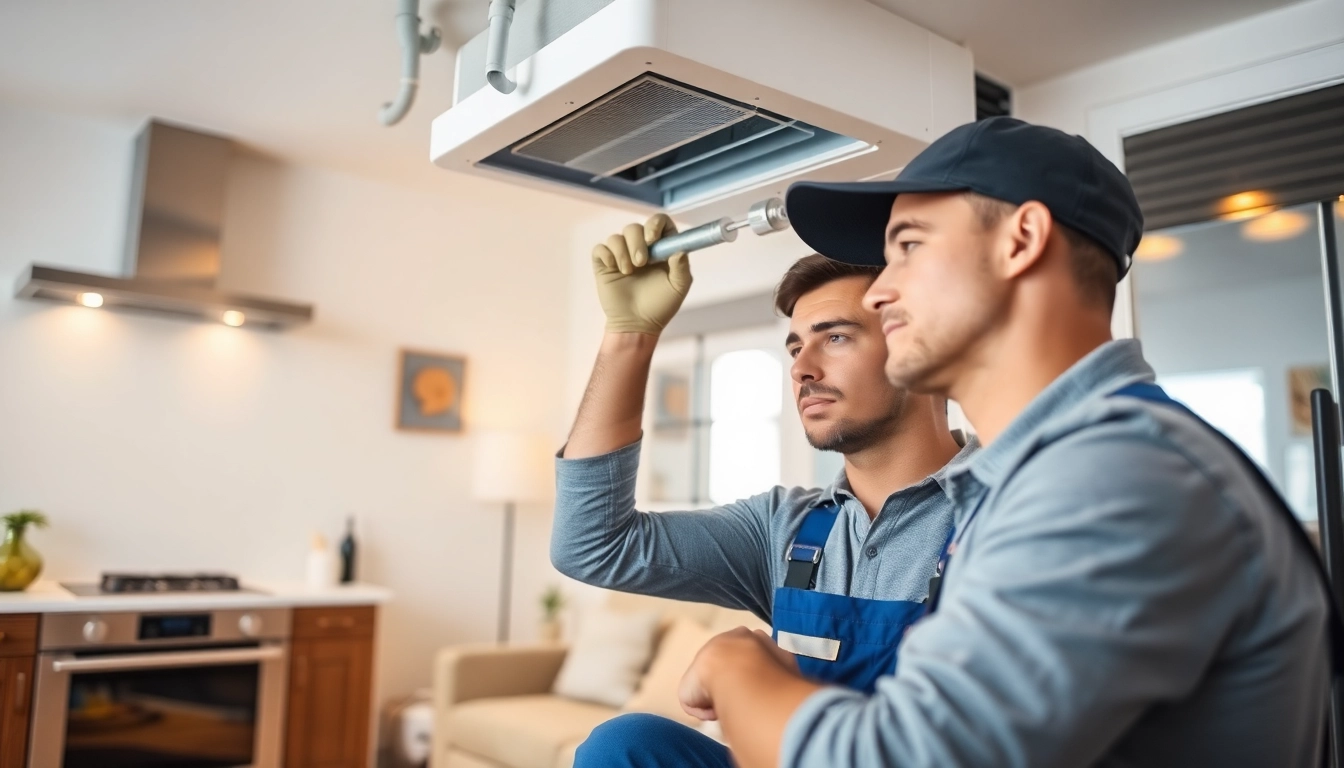
Overview of HVAC Systems and Their Importance
Heating, ventilation, and air conditioning (HVAC) systems play an essential role in our daily lives, ensuring that our indoor environments remain comfortable regardless of outside conditions. These systems are crucial for maintaining air quality, temperature, and humidity levels, contributing significantly to our health and well-being. The importance of an efficient HVAC system cannot be understated, as it can lead to improved productivity and comfort at home and work.
Understanding HVAC Components
An HVAC system consists of several components that work in tandem to regulate the indoor climate. The primary components include:
- Heating Equipment: This includes furnaces and heat pumps designed to provide warmth during colder months. Furnaces burn fuel to generate heat, while heat pumps transfer heat from one place to another, utilizing electricity.
- Cooling Systems: Air conditioners chill indoor air during warmer weather. There are various types, including central air conditioning, ductless mini-splits, and window units, each with its own benefits depending on home size and layout.
- Ventilation: This involves both natural and mechanical systems that bring fresh air into a building while expelling stale air. Proper ventilation is crucial for maintaining indoor air quality and preventing the buildup of pollutants.
- Thermostats: These devices regulate the temperature by communicating with the HVAC system. By setting desired temperatures, users can optimize energy usage and enhance comfort.
Benefits of a Well-Maintained HVAC System
A well-maintained HVAC system provides several advantages:
- Energy Efficiency: Regular maintenance ensures that the system operates at optimal levels, leading to lower energy bills.
- Extended Lifespan: Routine checks can prolong the life of HVAC equipment, delaying costly replacements.
- Improved Air Quality: Clean filters and ducts help remove dust, allergens, and other contaminants, resulting in fresher, healthier air.
- Comfort Consistency: A reliable system ensures consistent temperatures and humidity levels throughout the home.
Common HVAC Myths Debunked
Many misconceptions surrounding HVAC systems can lead to improper usage and maintenance. Here are a few myths:
- Myth 1: Bigger is better. Many people believe that a larger unit is more effective, but oversized systems can cause short cycling, leading to inefficient operation.
- Myth 2: You only need to change your filter once a year. In reality, filters should be checked monthly and replaced as needed to ensure efficient airflow.
- Myth 3: Closing vents will save energy. This can create pressure imbalances that strain the system, leading to increased energy use instead.
Key Services Offered by https://nobleheatingairservices.com
At https://nobleheatingairservices.com, we specialize in providing comprehensive HVAC services tailored to meet diverse needs. Our offerings encompass:
Installation of Heating and Cooling Systems
Installing a heating and cooling system is a crucial investment for any homeowner. Our team evaluates the specific needs of your home, considering factors such as size, layout, and energy efficiency goals. We ensure that:
- The right size unit is chosen based on load calculations, avoiding the pitfalls of oversizing or undersizing.
- Energy-efficient options are recommended, such as those with high SEER (Seasonal Energy Efficiency Ratio) ratings for cooling and AFUE (Annual Fuel Utilization Efficiency) ratings for heating.
- Installation is conducted in accordance with local codes and best practices to ensure safety and reliability.
Routine Maintenance Plans Available
Maintenance is key to prolonging the lifespan of your HVAC system. Our routine maintenance plans are designed to provide:
- Seasonal checkups: Regular inspections before summer and winter to prepare your system for peak demands.
- Filter replacements: Timely changes to keep your air clean and your system running efficiently.
- Detailed reports: Insights into the health of your system, identifying potential issues before they escalate.
Emergency Repair Services Explained
HVAC emergencies can occur without warning, and our dedicated team is on standby to provide swift solutions. Our emergency repair services include:
- 24/7 availability: We understand that comfort cannot wait, and we are ready to respond to your needs at any hour.
- Diagnostic evaluations: Our technicians employ state-of-the-art tools to identify issues quickly and accurately.
- Expedited repairs: We carry standard parts to reduce downtime and restore your comfort as soon as possible.
Choosing the Right HVAC System for Your Home
Choosing the right HVAC system can be daunting given the myriad of options available. Here are key considerations:
Factors to Consider When Selecting Equipment
When choosing an HVAC system, consider the following:
- Home Size: The size of your home affects the type and capacity of the system needed. A professional load calculation helps ensure accurate sizing.
- Climate Zone: Different regions have varying climate conditions that may favor specific types of heating and cooling options.
- Household Needs: The number of occupants and their specific comfort preferences will guide the choice of features such as zoning systems and smart thermostats.
Energy Efficiency Ratings and Why They Matter
Energy efficiency ratings, such as SEER for air conditioning and AFUE for heating systems, are critical in determining the long-term operational costs of equipment. Higher ratings indicate more efficient systems that can save homeowners substantial amounts on utility bills. Understanding these ratings will help you choose a system that fits your budget without sacrificing comfort.
Cost vs. Quality: Finding Your Balance
When it comes to purchasing an HVAC system, balancing cost and quality is essential. It might be tempting to go for the cheapest option, but investing in quality equipment often pays off in longevity and performance. Consider:
- The lifespan of the equipment: Higher quality systems often have longer lifespans, meaning a better value over time.
- Warranty options: Systems with extended warranties typically indicate manufacturer confidence in their product quality.
- Reputable brands: Consider products from reputable manufacturers known for reliability and customer service.
Maintaining Your HVAC System for Longevity
Proper maintenance is vital for ensuring the longevity and efficiency of your HVAC system. Here’s how to keep yours in top shape:
Seasonal Maintenance Checklists
Create a seasonal maintenance checklist to follow for your HVAC system:
- Spring: Clean the outdoor condenser unit, check refrigerant levels, and inspect ductwork for leaks.
- Summer: Replace air filters, clear away debris from around the unit, and ensure proper airflow around vents.
- Fall: Inspect the furnace, clean vents and registers, and check for any obstructions in flues.
- Winter: Ensure all safety features are operational, perform system tests, and clean or replace filters as needed.
Signs Your HVAC System Needs Repair
Recognizing signs that your HVAC system needs repair can prevent more significant issues down the line. Look for:
- Strange noises, such as rattling or hissing, which can indicate mechanical problems.
- Inconsistent temperatures across rooms, suggesting airflow issues or system malfunctions.
- Increased energy bills without any changes in usage, often a sign of inefficiency.
DIY Tips for Minor HVAC Issues
Not all HVAC issues require a professional evaluation. Here are some DIY tips for minor issues:
- Change air filters regularly to maintain airflow and indoor air quality.
- Inspect and clean outdoor units to ensure unobstructed airflow.
- Check thermostat settings and batteries to ensure they are functioning correctly.
The Future of HVAC Technology
The HVAC industry is rapidly evolving with advancements in technology. Here are a few trends shaping the future:
Trends in Smart HVAC Systems
Smart HVAC systems are becoming increasingly popular. These systems offer enhanced control and energy efficiency, allowing homeowners to:
- Monitor and adjust temperatures remotely using smartphones and smart devices.
- Create tailored heating and cooling schedules based on specific lifestyle needs.
- Receive notifications for maintenance reminders and system performance reports.
Innovations in Energy Efficiency
Energy-efficient technologies are becoming increasingly integral to HVAC systems:
- Variable-speed compressors allow systems to adjust output based on indoor conditions, enhancing efficiency.
- Geothermal heat pumps utilize the earth’s stable temperature for efficient heating and cooling.
- Advanced air filtration technologies help maintain indoor air quality while reducing energy consumption.
How Climate Change Affects HVAC Needs
Climate change is necessitating adjustments in HVAC technology and system design. Rising temperatures require more reliance on cooling systems, while increased extreme weather events can lead to higher demand for efficient heating solutions. Homeowners should:
- Consider investing in systems that can handle broader temperature ranges.
- Explore energy-efficient options available to mitigate environmental impact.
- Stay informed about local regulations and rebates concerning energy-efficient upgrades.