
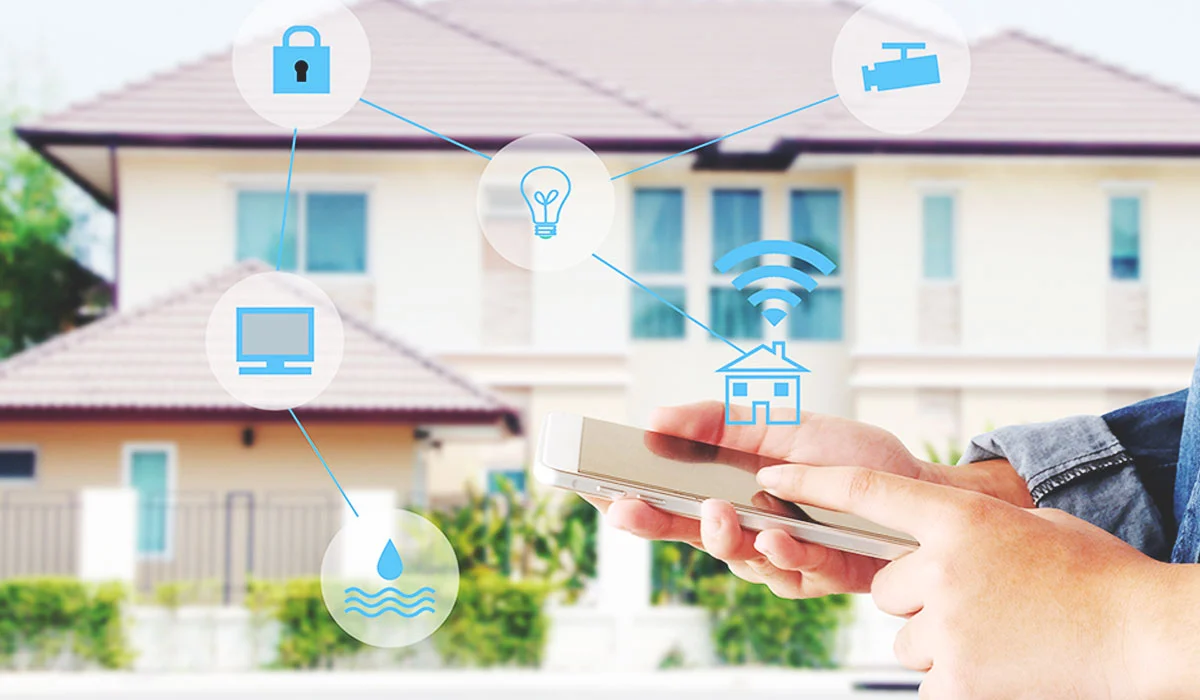
Ensuring your home is secure involves more than simply installing locks or cameras. Even the most advanced home security systems can fail if basic mistakes are made. Many homeowners unknowingly compromise their safety by overlooking critical aspects of protection, relying on outdated technology, or underestimating common vulnerabilities. Understanding what not to do is just as important as knowing what to do. This guide explores the most common Home Security mistakes and how to avoid them, helping you create a safer, more resilient living environment.
Overlooking the Basics of Home Security
Even with advanced systems, neglecting foundational security measures is a frequent mistake.
Ignoring Door and Window Reinforcements
Many homeowners assume that simply locking doors and windows is sufficient. Weak doors, hollow-core frames, or poorly installed locks can easily be bypassed. Investing in reinforced doors, solid deadbolts, and secure window locks is essential for any home security strategy.
Underestimating Entry Points Beyond the Front Door
Burglars often target side doors, back entrances, garages, and even basement windows. Neglecting these areas creates hidden vulnerabilities. Comprehensive home security requires evaluating all potential entry points and addressing weaknesses proactively.
Failing to Conduct a Security Audit
Skipping a thorough assessment of your property leaves blind spots in your defenses. Regular audits allow homeowners to identify vulnerabilities, outdated equipment, and behavioral risks, forming the foundation for a strong home security plan.
Relying Solely on Technology
While modern home security technology is powerful, it is not infallible.
Believing Cameras and Alarms Alone Prevent Crime
Visible cameras and alarms deter many intruders, but determined criminals may still attempt entry. Home security is most effective when technology is combined with strong physical defenses, lighting, and proactive habits.
Neglecting System Integration
Devices that operate in isolation cannot respond intelligently to threats. Smart locks, cameras, sensors, and alarms should be connected through a central platform, allowing coordinated responses to suspicious activity.
Ignoring Regular Updates and Maintenance
Software updates, battery replacements, and hardware maintenance are essential. Failing to maintain devices can result in malfunctions, missed alerts, or disabled systems, rendering even the most sophisticated home security technology ineffective.
Poor Lock Management Practices
Locks remain the first line of defense, yet many homeowners make mistakes that weaken this layer of protection.
Using Low-Quality or Outdated Locks
Cheap locks or older models may be easily picked, bumped, or forced open. High-quality deadbolts, reinforced strike plates, and modern smart locks provide significantly improved protection.
Leaving Spare Keys in Obvious Locations
Hiding keys under mats, flowerpots, or mailboxes is a well-known security risk. Burglars are aware of these tricks and can exploit them. Alternatives include digital access codes or entrusting keys to trusted individuals.
Sharing Access Codes Without Proper Oversight
Giving out smart lock codes or alarm passwords without tracking usage can compromise security. Homeowners should assign temporary or limited-access permissions and monitor usage logs to prevent misuse.
Neglecting Lighting and Visibility
Proper lighting is a simple yet highly effective home security measure that is often overlooked.
Leaving Dark Spots Around the Property
Unlit areas around doors, windows, and pathways create hiding places for intruders. Motion-activated outdoor lights increase visibility and discourage suspicious activity.
Failing to Use Timers or Smart Lighting
Empty homes can appear vulnerable without visible activity. Smart lighting systems or timers can simulate occupancy, enhancing home security while reducing energy waste.
Overlooking Indoor Visibility Considerations
Interior lighting should complement outdoor security. Ensuring that windows are not obstructed by furniture or curtains while maintaining privacy helps residents monitor unusual activity without exposing vulnerabilities.
Ignoring Environmental and Neighborhood Factors
Home security extends beyond the property itself.
Not Accounting for Neighborhood Crime Trends
Ignoring local crime patterns can leave homeowners unprepared for specific risks. Knowledge of common incidents and trends enables targeted protective measures and informed gear selection.
Overlooking Landscaping as a Security Factor
Overgrown shrubs, trees near windows, or dense foliage can conceal intruders. Strategic landscaping improves visibility, removes hiding spots, and enhances the effectiveness of surveillance systems.
Neglecting Community Engagement
A lack of communication with neighbors and participation in local safety initiatives can reduce situational awareness. Collaborative efforts, such as neighborhood watch programs, enhance overall home security.
Inadequate Use of Alarm Systems
Alarms are most effective when deployed correctly.
Failing to Activate or Use Alarms Consistently
Some homeowners deactivate alarms due to false alerts or inconvenience, reducing effectiveness. Consistent usage and proper system settings are crucial for home security.
Ignoring Alarm Placement and Coverage
Alarms must cover key areas, including entry points, hallways, and vulnerable spaces. Improper placement reduces detection and response capabilities.
Not Integrating Alarms With Notifications
Modern systems can send alerts to smartphones or monitoring services. Failing to enable notifications prevents timely responses and diminishes home security benefits.
Mismanaging Surveillance Cameras
Cameras are both deterrents and evidence tools but are often misused.
Poor Camera Placement
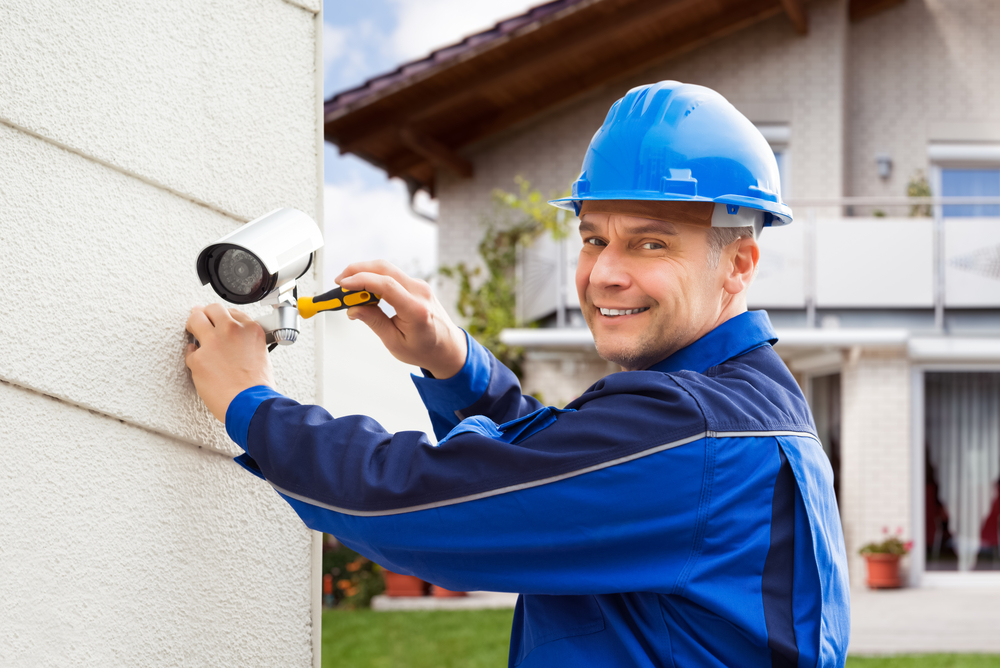
Cameras aimed at walls, blind spots, or narrow fields of view fail to capture actionable information. Strategic placement covering entrances, driveways, and common areas maximizes their effectiveness.
Ignoring Night-Time or Low-Light Capabilities
Intruders often strike under the cover of darkness. Selecting cameras with night vision, infrared capabilities, or low-light enhancement is critical for comprehensive home security.
Overlooking Privacy and Legal Guidelines
Camera placement must balance security with privacy. Improper use can create legal risks or community friction. Understanding regulations ensures responsible deployment without compromising home security.
Overcomplicating or Over-Automating Security
While automation can enhance protection, complexity can undermine effectiveness.
Using Too Many Devices Without Coordination
Having multiple devices without integration can cause confusion, false alarms, and inefficient responses. A cohesive system ensures devices work together to protect the home.
Relying Exclusively on Automation
Automated systems are powerful but cannot replace human judgment. Homeowners must maintain awareness, verify alerts, and respond appropriately to ensure home security effectiveness.
Failing to Train Household Members
All occupants should understand how to use security gear, respond to alarms, and implement protocols. Lack of training creates vulnerabilities and reduces system efficiency.
Neglecting Cybersecurity in Home Security
Connected devices expand risks beyond physical intrusions.
Weak Passwords and Network Vulnerabilities
Home security gear connected to Wi-Fi can be hacked if networks are unsecured. Strong passwords, encrypted connections, and segmented networks reduce digital risks.
Outdated Firmware and Software
Devices with outdated software may have vulnerabilities exploited by cybercriminals. Regular updates are essential to maintain both digital and physical home security.
Ignoring Remote Access Risks
Remote monitoring adds convenience but must be secured with multi-factor authentication and access controls to prevent unauthorized access.
Overlooking Environmental and Emergency Preparedness
Home security is not just about preventing intrusions.
Ignoring Fire, Water, and Gas Risks
Integrated sensors for smoke, carbon monoxide, water leaks, and gas detection complement traditional security gear. Overlooking these threats can have severe consequences.
Lack of Emergency Plans
Even the best home security systems cannot prevent emergencies entirely. Having evacuation routes, emergency contacts, and response protocols strengthens overall safety.
Neglecting Backup Power and Redundancy
Power outages or system failures can disable security devices. Backup batteries, uninterruptible power supplies, and redundant connections ensure continuous protection.
Failing to Regularly Evaluate and Update Security
Security is an ongoing process, not a one-time setup.
Skipping Routine Audits
Homes change over time, and so do risks. Regular assessments identify vulnerabilities, outdated gear, and emerging threats.
Ignoring User Feedback and Alerts
Monitoring logs, sensor alerts, and system reports helps homeowners adjust settings and respond to potential weaknesses proactively.
Stagnating in Technology Adoption
New home security technologies provide improved protection. Failing to consider upgrades can leave homes vulnerable to evolving threats.
Psychological and Behavioral Mistakes
Human factors are often overlooked in home security.
Complacency After Initial Setup
Homeowners may assume security is guaranteed once devices are installed. Vigilance, routine checks, and awareness are required to maintain effective protection.
Predictable Routines and Patterns
Consistent habits can be exploited by intruders. Varying routines, using timers, and avoiding predictable absence patterns enhances security.
Overconfidence in Single Solutions
No single device provides complete protection. Layered security that combines physical, technological, and behavioral measures is essential for comprehensive home safety.
Conclusion
Avoiding common home security mistakes is as critical as choosing the right devices. Overlooking fundamentals, relying solely on technology, neglecting maintenance, and underestimating human and environmental factors all undermine protection. By identifying these pitfalls and implementing thoughtful, coordinated strategies, homeowners can significantly enhance the safety of their living spaces. Effective home security is an ongoing commitment that combines planning, technology, awareness, and adaptation to create a truly resilient and secure environment. We update our homepage regularly with new features and highlights.
FAQs
What is the most common home security mistake homeowners make?
The most common mistake is relying solely on technology without addressing basic physical security, such as reinforced doors, quality locks, and proper window protection. Technology is effective when paired with strong foundational measures.
How can homeowners avoid false alarms and system failures?
Regular maintenance, proper device placement, and system integration are essential. Adjusting sensor sensitivity, updating software, and ensuring coordinated operation reduces false alarms and improves reliability.
How often should home security systems and routines be reviewed?
Home security should be reviewed at least annually or whenever there are changes in property layout, occupancy, or local crime trends. Regular evaluation ensures ongoing effectiveness and adapts protection to evolving risks.