Introduction to Structural Steel Construction
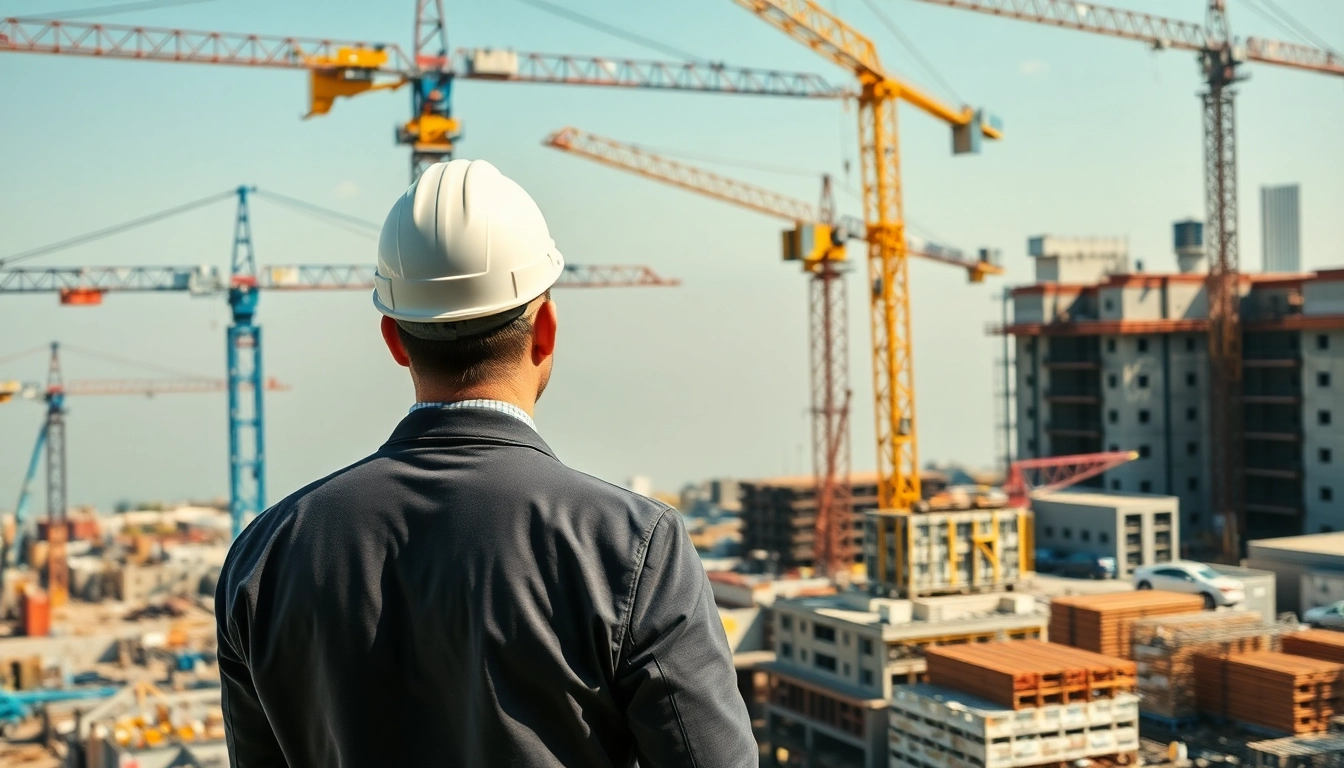
Structural steel construction is a method that involves the use of steel sections and plates to create frameworks for building structures. This technique has gained remarkable traction in various construction projects ranging from commercial complexes to residential buildings. The flexibility, density, and reliability of steel make it an invaluable choice for engineers and architects alike. Structural steel construction offers numerous advantages, such as quick assembly times, the ability to withstand various environmental conditions, and a significant design aesthetic.
Defining Structural Steel Construction
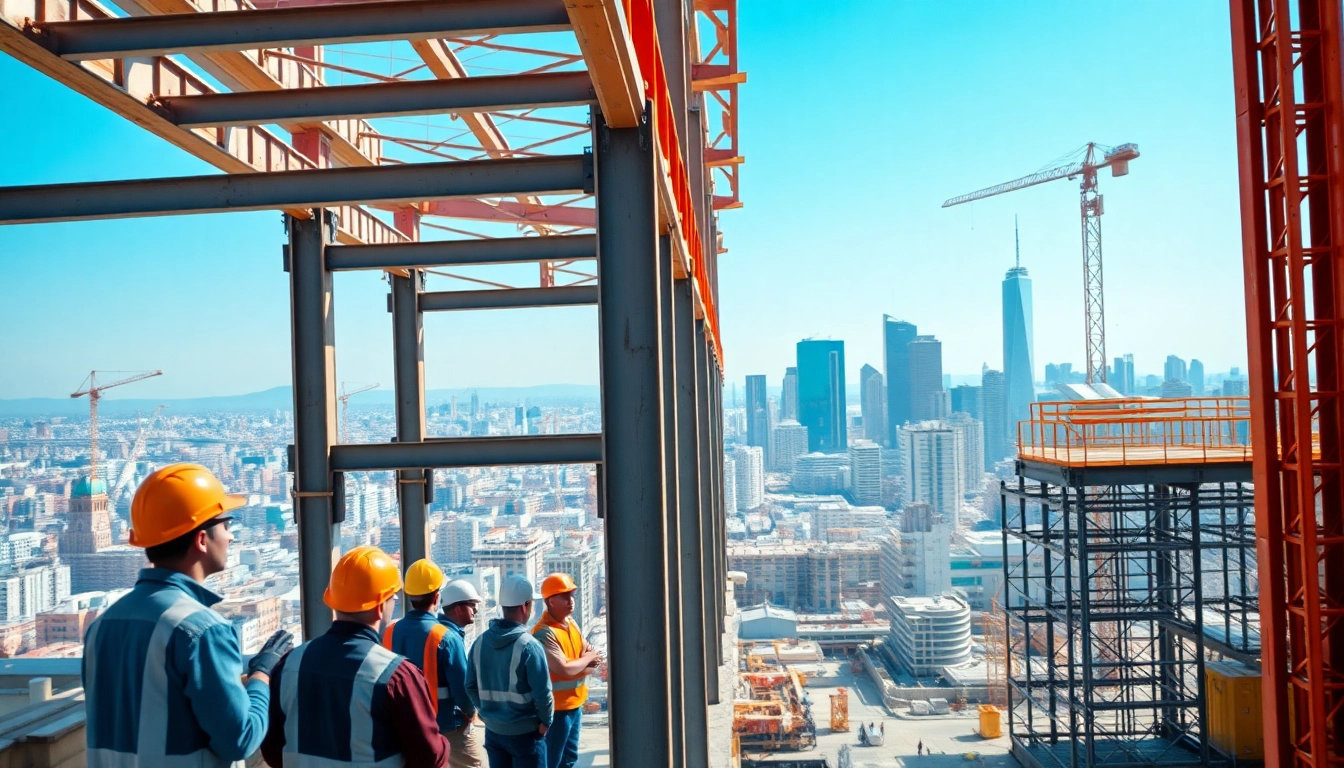
At its core, structural steel construction refers to the use of steel as a primary material for the structural framework of buildings. This framework consists of beams, columns, and other components designed to bear loads and provide stability against environmental forces. The versatility of structural steel allows it to be shaped into various forms, making it suitable for different architectural styles. Moreover, structural steel can be prefabricated, which enhances its efficiency on site and contributes to faster project completions.
Key Benefits of Using Structural Steel
- Durability: Structural steel is known for its high strength-to-weight ratio, providing long-lasting durability and stability.
- Speed of Construction: Because components can be pre-manufactured, assembly on-site tends to be quicker than traditional methods.
- Design Flexibility: Steel can be molded into a variety of shapes, allowing architects to explore innovative designs.
- Resilience: Structural steel effectively resists extreme weather, corrosion, and fire, enhancing building safety.
- Cost-Effectiveness: When considering the life-cycle costs, including maintenance and energy efficiency, structural steel often proves to be more economical over the long term.
Common Applications and Uses
Structural steel is employed in a variety of construction applications. Some of the most common uses include:
- Commercial Buildings: Towers, offices, and retail malls often rely on structural steel for their frames.
- Bridges: The material's strength allows for long spans that are essential in bridge construction.
- Industrial Facilities: Factories and warehouses utilize structural steel for their large open spaces and heavy load-bearing requirements.
- Residential Projects: Increasingly, structural steel is used in homes for both aesthetic and practical reasons.
Fundamentals of Structural Steel Design
Designing with structural steel requires a comprehensive understanding of the principles involved. Proper design ensures that structures can withstand both static and dynamic loads while conforming to various codes and regulations.
Design Principles for Structural Steel Construction
Designing for structural steel involves several key principles:
- Load Consideration: Both dead loads (permanent/static) and live loads (temporary/dynamic) must be accurately calculated.
- Stability: Structures must be designed to remain stable under lateral forces such as wind or seismic activity.
- Deflection Limits: Engineers need to ensure that any deflection within structural elements remains within acceptable limits to preserve functionality and aesthetics.
Engineering Standards and Codes
Following engineering standards and codes is critical in the design and implementation of structural steel projects. Various codes, such as the AISC (American Institute of Steel Construction) standards, provide guidelines on strength, load capacity, and structural integrity that professionals must adhere to, ensuring safety and quality.
Choosing the Right Steel Materials
Selecting appropriate steel materials is essential for successful construction. Factors include:
- Yield Strength: Higher yield strength often means the ability to handle heavier loads.
- Corrosion Resistance: In certain climates, selecting galvanized or weathering steel may be preferred.
- Fabrication Compatibility: Different grades of steel may be easier or more difficult to work with during fabrication.
Challenges in Structural Steel Construction
Despite its many advantages, the journey of structural steel construction is not without challenges. Understanding these hurdles is vital for successful project management.
Identifying Common Construction Challenges
Some typical challenges in structural steel construction include:
- Supply Chain Issues: Delays in the availability of specific steel components can derail timelines.
- Skilled Labor Shortage: A lack of skilled workers can lead to inefficiencies and compromised quality.
- Design Modifications: Unplanned changes can result in additional costs and delays.
Addressing Environmental Factors
Environmental factors, such as temperature fluctuations and moisture levels, can impact construction processes. Implementing proper scheduling to minimize exposure to adverse conditions, along with ensuring a robust site drainage system, can mitigate these effects.
Safety Considerations in Heavy Construction
The safety of workers is a paramount concern in structural steel construction. Effective measures include:
- Training: Ensuring that all team members are trained in safety protocols.
- Use of Personal Protective Equipment (PPE): Compliance with safety gear requirements should be enforced at all times.
- Regular Safety Audits: Conducting routine audits to assess risks and implement improvements.
Best Practices for Project Management
Managing a structural steel construction project requires a strategic approach. Adhering to best practices significantly enhances the likelihood of project success.
Planning and Scheduling Steel Projects
Effective planning is the cornerstone of timely project execution. Establishing clear timelines for each phase, coordinating schedules among subcontractors, and ensuring necessary permits are in place can streamline processes.
Cost Control Strategies for Steel Construction
Maintaining budgets is essential in any construction project. Implementing cost control strategies might include:
- Accurate Estimation: Utilize advanced software for precise cost estimation.
- Monitoring Expenses: Regularly reviewing expenses against the budget helps identify discrepancies quickly.
- Value Engineering: Explore alternative materials or methods that can reduce costs without compromising quality.
Leveraging Technology in Structural Steel Projects
Technology has revolutionized the construction industry, including structural steel construction. Tools such as BIM (Building Information Modeling) enable better visualization, efficient coordination, and accurate estimations, ultimately enhancing project delivery.
Future Trends in Structural Steel Construction
The future of structural steel construction looks promising, with various trends shaping the industry landscape.
Innovations Shaping the Industry
Innovation in materials and techniques continues to propel the industry forward. Developments such as high-performance steel and advancements in fabrication technologies can significantly enhance efficiency and productivity.
Sustainable Practices in Steel Construction
With an increasing focus on sustainability, practices such as using recycled steel and environmentally conscious fabrication processes are gaining traction. These practices help reduce the environmental impact of construction activities and are becoming a standard expectation from stakeholders.
Predicting Market Trends and Opportunities
Staying ahead of market trends is crucial for success in structural steel construction. The demand for sustainable building solutions, adaptability in design, and the integration of smart technologies in construction practices offer lucrative opportunities for forward-thinking contractors and builders.