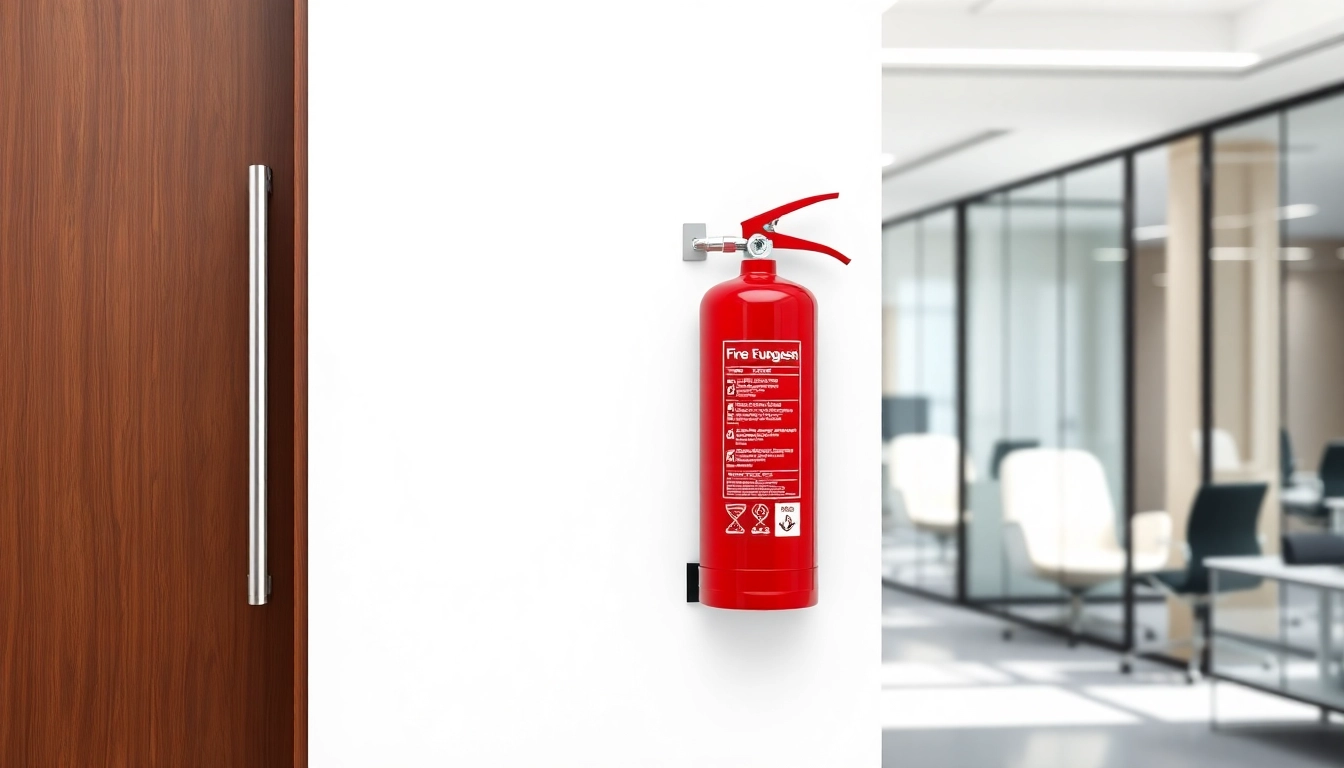
Understanding the Importance of a Pass Fire Extinguisher
In today’s world, safety in the workplace has become a cornerstone of operational success. One of the most critical components of maintaining a safe working environment is the presence of fire safety equipment, prominently featuring the trusty fire extinguisher. A pass fire extinguisher plays a vital role in reducing fire risks and enhancing safety protocols across various industries.
The Role of Fire Extinguishers in Workplace Safety
Fire extinguishers are not just accessories; they are life-saving tools designed to combat different classes of fires quickly. Each type of extinguisher is formulated to tackle specific fire scenarios effectively. For instance, Class A extinguishers excel in combating ordinary combustible materials such as wood and fabric, while Class B extinguishers are suited for flammable liquids, and Class C extinguishers are made for electrical fires.
Moreover, having strategically placed fire extinguishers allows for immediate action, which can significantly reduce damage and injuries in the event of a fire outbreak. When employees are trained to recognize different fire hazards and utilize the appropriate extinguisher, the chance of successfully extinguishing a small fire before it escalates increases dramatically.
Key Regulations Surrounding Fire Extinguisher Requirements
Fire safety regulations vary by region, but most adhere to the guidelines established by organizations such as the National Fire Protection Association (NFPA) in the United States. These regulations stipulate the types of extinguishers required based on the kind of business operations taking place. For instance, businesses dealing with flammable substances must have Class B extinguishers readily available.
Additionally, local fire codes often dictate placement, visibility, and accessibility standards. Companies are expected to conduct regular fire hazard assessments to ensure compliance with these regulations, often necessitating consultation with fire safety professionals. Failure to comply not only endangers lives but can also result in significant fines and legal repercussions.
Common Misconceptions About Using Fire Extinguishers
Despite extensive training and awareness initiatives, several misconceptions about fire extinguisher usage persist. A common myth is that all employees are equipped to effectively use an extinguisher in an emergency situation. However, research indicates that many people lack the confidence to step in during a fire, often due to inadequate training.
Another misunderstanding is that a fire extinguisher can be used to combat any fire. Each extinguisher is designed for specific fire classes, and using the wrong type can exacerbate the situation. For example, using water on a grease fire can cause it to spread. Therefore, it is imperative to provide comprehensive fire safety training tailored to the specific environment employees work in.
Choosing the Right Pass Fire Extinguisher for Your Business
With an understanding of the importance of fire extinguishers comes the responsibility of selecting the right type for your business. This decision can significantly affect your workplace safety and compliance with regulations.
Different Types of Fire Extinguishers Explained
Fire extinguishers are classified into several types based on the fire they are designed to extinguish. These classifications include:
- Class A: Suitable for ordinary combustible materials such as wood, paper, and textiles.
- Class B: Designed for flammable liquids like gasoline and oil.
- Class C: Effective on electrical fires.
- Class D: Used for combustible metals, primarily in occupational settings involving metals like magnesium and sodium.
- Class K: Focused on cooking oils and fats, mainly found in commercial kitchens.
Understanding these classifications is crucial for business owners, as it informs their purchasing decisions and ensures compliance with fire safety regulations.
How to Assess Your Fire Safety Needs
Every business has unique fire safety needs, which can be assessed by conducting a comprehensive fire risk assessment. This process involves examining various aspects, including the type of materials present in your facility, the layout of your workspace, and the potential fire hazards inherent to your operations.
Involving safety experts can provide valuable insights into the necessary types and quantities of fire extinguishers required. Consideration should also be given to employee crowd dynamics—including how many individuals work in the space and how quickly they could evacuate in a fire emergency.
Selecting Extinguishers Based on Fire Classifications
Selecting the right extinguisher based on fire classifications can be challenging for some business owners. However, it is essential for effective fire safety. For instance, a restaurant that uses grills and fryers should prioritize Class K extinguishers, while a tech company might focus on Class C due to the presence of electronic devices.
Ultimately, a tailored approach ensures that not only the correct extinguishers are in place, but they are also strategically positioned for optimal accessibility in an emergency.
Installation and Maintenance of Pass Fire Extinguishers
Proper installation and maintenance of fire extinguishers are crucial steps in ensuring ongoing fire safety in the workplace. Reliable extinguishers can only function as intended when they are correctly installed and regularly maintained.
Best Practices for Positioning Fire Extinguishers
Fire extinguishers should be mounted in locations that are easily accessible to all employees. Best practices for positioning include:
- Placing extinguishers near exits and along escape routes.
- Ensuring they are mounted at a height that allows easy access; typically, the top of the extinguisher should not be more than 5 feet off the ground.
- Following local fire codes for placement requirements and ensuring clear visibility with no obstructions.
Regular reviews of extinguisher positioning should be conducted, especially after any significant layout changes within the workplace.
Routine Maintenance and Inspection Checklists
Establishing a routine maintenance and inspection schedule is vital to ensuring that fire extinguishers remain reliable and functional. Ideally, organizations should conduct monthly visual inspections, checking for:
- Signs of physical damage or corrosion.
- Proper pressure levels indicated by the gauge.
- Accessibility and unobstructed positioning.
Additionally, fire extinguishers should undergo professional maintenance at least once a year, as recommended by manufacturers and fire safety regulations. Keeping meticulous records of all maintenance performed can also help with compliance audits.
Understanding Expiration Dates and Replacement Protocols
Every fire extinguisher has a limited lifespan, which can range from 5 to 15 years depending on its type and brand. Regular checks should be made to ensure that extinguishers have not exceeded their expiration dates. After the expiration date, replacement protocols should be followed promptly to ensure your fire safety measures remain effective.
Sometimes, even before an extinguisher reaches its expiration date, its usability could diminish due to repairs being required or if it has been discharged. Therefore, prompt identification and replacement are crucial to maintaining safety standards.
Training Employees on Fire Extinguisher Use
Even the best fire safety equipment will not be effective without adequate training. Ensuring that employees understand how and when to use fire extinguishers is crucial for minimizing risks during a fire emergency.
Essential Fire Safety Training Programs
Implementing comprehensive fire safety training programs should be a priority for every business. Training programs should cover not only the theory behind using fire extinguishers but also practical scenarios that employees may face in real-life situations.
Topics of focus should include:
- Understanding different classes of fire and corresponding extinguishers.
- Steps to take before using an extinguisher.
- Personal safety and evacuation procedures.
- Basic fire prevention measures to minimize fire risks.
Regularly scheduled refresher courses can also ensure that employees stay current with their fire safety knowledge.
Hands-on Training for Effective Emergency Response
Hands-on training is critical in reinforcing theoretical knowledge. Simulated fire drills can provide employees with opportunities to practice using extinguishers under supervised conditions. This real-world application empowers them to act confidently when confronted with a fire emergency.
Furthermore, companies can partner with fire safety professionals or local firefighting services to conduct training sessions that provide in-depth knowledge and practical experience.
Cultivating a Safety-first Culture in the Workplace
Creating a workplace culture that prioritizes safety can significantly enhance overall compliance with fire safety measures. This culture can be fostered through transparent communication, ongoing training, and employee engagement in fire safety practices.
Encouraging employees to voice concerns about safety practices can lead to recognizing potential weaknesses in the existing protocols. Moreover, acknowledging and rewarding safe behavior can further reinforce the significance of maintaining rigorous fire safety standards.
Measuring Fire Safety Effectiveness in Your Business
To determine the efficiency of your fire safety strategies, it is essential to have measurable metrics in place. Evaluating past incidents and safety audits can provide invaluable feedback to improve your strategies continually.
Tracking Incident Reports and Safety Audits
Systems should be established for tracking and reporting fire-related incidents, even if they result in minimal damage or no injuries. Analysis of incident data can unveil patterns that require attention, whether it’s a faulty piece of equipment, non-compliance with safety procedures, or insufficient training.
Conducting regular safety audits—both announced and unannounced—helps keep employees on their toes and reinforces the importance of adherence to safety practices. These audits can also serve as opportunities for practical assessments.
Adjusting Fire Safety Measures Based on Performance Data
Data collected from incident reports and audits should guide adjustments to fire safety measures. Should patterns emerge suggesting inadequacies in training or equipment, proactive adjustments can be made to address these before they lead to serious incidents.
Perhaps you discover that employee training on specific extinguisher use is lacking. In response, you can enhance training programs to cover that specific area more thoroughly. These adjustments will demonstrate an actively engaged approach to safety management and employee welfare.
Engaging Employees in Continuous Improvement of Safety Practices
Engaging employees in discussions around fire safety and inviting their input can foster a sense of shared responsibility. Employees working in the field often have valuable insights into potential hazards and can spot issues that might not be apparent during audits or training sessions.
Establishing safety committees or regular safety meetings can serve as excellent forums for open dialogue about fire safety. This collaborative approach not only empowers employees but also encourages a proactive mindset toward maintaining a safe work environment.
In conclusion, ensuring fire safety is not just about complying with regulations or having the right equipment on hand; it requires an ongoing commitment to training, assessment, and employee engagement. The presence of a pass fire extinguisher, alongside thoughtful strategies for its use and maintenance, can significantly mitigate risks and enhance workplace safety. By embracing safety-first culture and being proactive about fire safety, businesses can confidently manage their fire risks and protect their most valuable asset: their people.