
1. Understanding Chafing Dishes
1.1 What is a Chafing Dish?
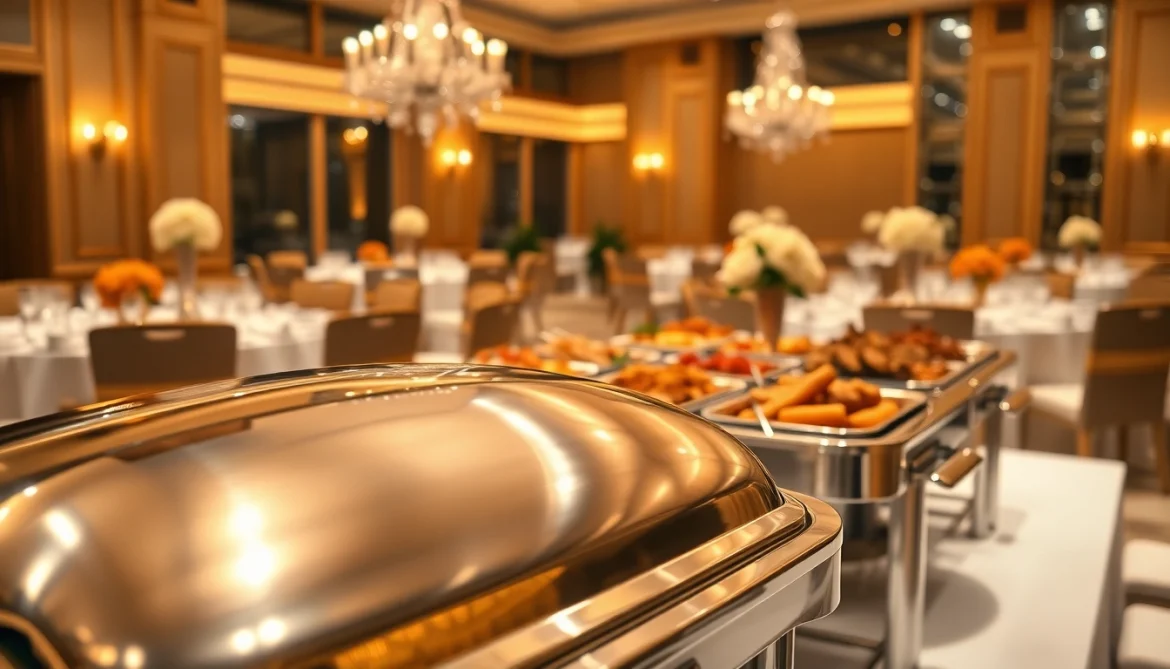
A chafing dish is a versatile food heating device primarily used in catering and buffet settings. It is designed to keep food warm for extended periods without cooking it further. Traditional chafing dishes consist of a large food pan surrounded by a water bath, which is heated from below by fuel sources such as Sterno or electric heating elements. This method ensures that the food remains at a safe serving temperature while maintaining its taste and texture.
1.2 Types of Chafing Dishes Available
Chafing dishes come in various types and designs tailored to different needs and settings:
- Standard Chafing Dishes: These are the most common variety, featuring a rectangular design with a removable lid and a water pan beneath the food tray.
- Round Chafing Dishes: Ideal for serving appetizers or sides, these dishes are often used in buffets or banquet settings.
- Buffet Servers: These include multiple chafing compartments in a single unit, perfect for serving a variety of dishes simultaneously.
- Electric Chafing Dishes: Utilizing electricity for heating, these dishes provide consistent warmth without the need for an open flame, enhancing safety and convenience.
- Tabletop Chafing Dishes: Smaller versions designed for home use or intimate gatherings, often aesthetically designed to complement dining setups.
1.3 Benefits of Using Chafing Dishes
The usage of chafing dishes comes with numerous advantages, especially for food service providers:
- Temperature Maintenance: Chafing dishes keep food warm, ensuring guests enjoy their meals at the right temperature.
- Hygiene: By using a chafing dish, food is protected from external contaminants while maintaining an appealing appearance.
- Ease of Use: Setting up a buffet with chafing dishes allows for a smoother service experience, as food can be served quickly and efficiently.
- Versatility: Chafing dishes can be used for a variety of foods, from main courses to desserts, making them a valuable addition to any catering operation.
- Scalability: From intimate dinners to large events, there is a chafing dish size and style to accommodate every occasion.
2. Selecting the Right Chafing Dish
2.1 Size Considerations for Your Chafing Dish
When choosing a chafing dish, size is one of the most crucial factors. Consider how many guests you will serve and the type of event. Common chafing dish sizes include:
- Full-Size Dishes: These usually measure 20″x12″ and are designed for larger gatherings, typically holding 8-10 quarts of food.
- Half-Size Dishes: A smaller option at 12″x10″, suitable for side dishes or smaller gatherings.
- Third and Fourth-Size Dishes: These accommodate specific needs, such as appetizers or desserts, with varying volume capacities.
2.2 Materials and Durability
The material of a chafing dish can significantly affect its durability, weight, and maintenance:
- Stainless Steel: The most popular material due to its robustness, easy cleaning, and resistance to corrosion.
- Aluminum: A lighter option, often used in disposable chafing dishes; however, they may not retain heat as effectively.
- Glass and Ceramic: These materials are commonly utilized for aesthetic chafing dishes; however, they are heavier and more fragile.
2.3 Design and Aesthetic Appeal
Consider the event theme and aesthetics when selecting a chafing dish design:
- Classic Designs: Traditional silver or stainless-steel chafing dishes fit well in formal settings.
- Modern Styles: Choices featuring sleek lines and contemporary finishes can enhance a modern dining experience.
- Thematic Options: Chafing dishes themed around particular cuisines or cultural aesthetics can create a more immersive dining experience.
3. Proper Usage of Chafing Dishes
3.1 Preparing Food for Chafing Dishes
To optimize the performance of your chafing dish, proper food preparation is vital:
- Cook food to the recommended temperatures beforehand and maintain it warm before serving.
- Use water for the water bath to create steam, thereby preventing the food from drying out.
- Consider portion sizes carefully to prevent overcrowding in the food pan.
3.2 Fuel Options and Safety Tips
For heating, several options are available:
- Sterno Cans: Commonly used for heating; ensure proper ventilation and keep them stable to avoid spills.
- Electric Heating Elements: These provide a consistent temperature but check power availability and cords for safety.
- Other Fuels: Consider alternatives like butane if using outdoor setups, always following the safety guidelines.
3.3 Maintaining Temperature Control
Temperature control is critical for safety and food quality:
- Regularly check food temperatures with appropriate thermometers.
- Replace fuel sources promptly to prevent temperature drops.
- Cover food when not serving to retain warmth and prevent contamination.
4. Caring for Your Chafing Dish
4.1 Cleaning Techniques for Different Materials
Proper cleaning ensures longevity:
- Stainless Steel: Use soapy water, soft sponges, and avoid abrasive materials.
- Aluminum: Wash with mild detergents; avoid steel wool to prevent scratching.
- Glass and Ceramic: Use non-abrasive cleaners and inspect for cracks before use.
4.2 Storage Tips for Longevity
Ensure ideal conditions for chafing dish storage:
- Store in a dry environment, avoiding moisture that may lead to rust or mold.
- Separate components to prevent scratching and denting.
- Consider using covers or cloths to prevent dust accumulation.
4.3 Repairing Common Issues
Common issues like dented pans or lose handles can be managed:
- For minor dents, consider using a rubber mallet to gently reshape.
- Loose handles can often be tightened with a screwdriver, ensuring they remain safe.
- If a pan becomes warped, it might be time for replacement, as consistent performance relies on flat surfaces.
5. Frequently Asked Questions
5.1 How much food can a typical chafing dish hold?
A standard full-size chafing dish holds approximately 8-10 quarts of food, suitable for large gatherings.
5.2 Can chafing dishes be used outdoors?
Yes, chafing dishes, especially those fueled by Sterno or other fuels, are suitable for outdoor events but ensure a stable, safe setup.
5.3 What fuels are best for chafing dishes?
Sterno fuel permits safe, consistent heating, while electric options offer controlled warmth without open flames, enhancing safety.
5.4 How do I clean my chafing dish?
Soak in warm soapy water and use non-abrasive sponges for cleaning. Rinse well and thoroughly dry to maintain conditions.
5.5 Are there chafing dishes that come with lids?
Many chafing dishes include removable lids that help retain heat and protect food from contaminants.