
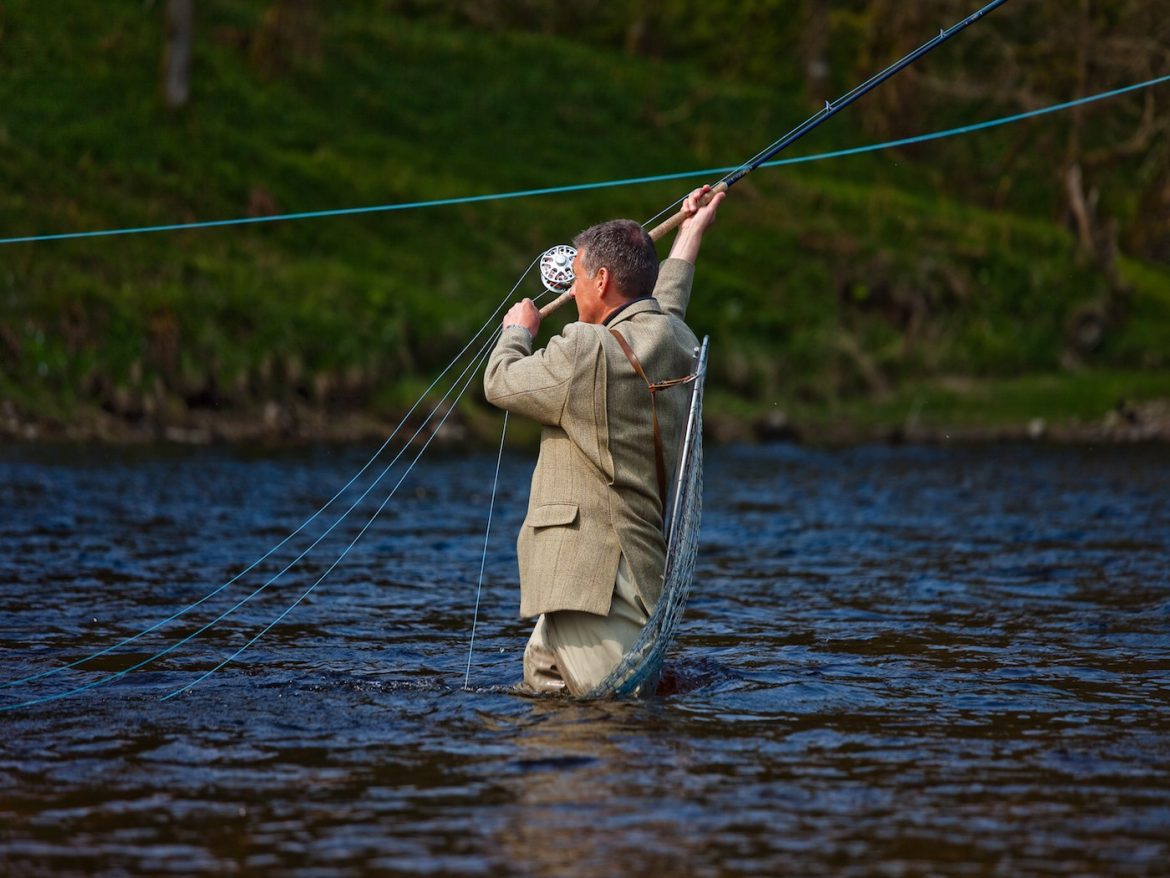
When it comes to fly fishing, choosing the right Fly Fishing Line is crucial for improving your casting accuracy and landing more fish. A well-selected line can make a huge difference in your fishing experience, whether you are a beginner or an experienced angler. Understanding the various types of fly fishing lines, their characteristics, and their uses is essential to ensure that your setup matches the water conditions and the fish you’re targeting.
What Is Fly Fishing Line?
Fly Fishing Line is a specialized fishing line designed for fly rods. Unlike traditional fishing lines, fly lines are heavier and coated to allow casting lightweight flies with precision. The weight and taper of the line influence how far and accurately you can cast, and different lines are suitable for different fishing environments and species. Fly lines also come in floating, sinking, and sink-tip varieties, each offering unique advantages.
Floating Fly Fishing Lines
Floating lines are the most common type of Fly Fishing Line. They are designed to stay on the surface of the water, making them ideal for dry fly fishing. With floating lines, anglers can cast delicately onto the water surface, allowing dry flies to float naturally. Floating lines are also great for beginners because they are easier to manage and less prone to tangles. These lines are versatile, suitable for rivers, streams, and stillwater environments.
Sinking Fly Fishing Lines
Sinking lines are another essential type of Fly Fishing Line. They are designed to sink below the surface, which allows anglers to target fish in deeper water. Sinking lines are categorized based on their sink rate, ranging from slow to fast. Slow-sinking lines are useful for fishing mid-water species, while fast-sinking lines are better for deep pools or strong currents. When using sinking lines, it’s important to match the fly depth to the species and water conditions to increase your chances of success.
Sink-Tip Fly Fishing Lines
Sink-tip lines combine the benefits of floating and sinking Fly Fishing Lines. The tip of the line sinks, while the remainder floats. This design is perfect for situations where fish are feeding at different depths, allowing for more versatile presentations. Anglers can keep the floating portion on the surface for better control and use the sinking tip to reach fish feeding below. Sink-tip lines are especially effective in rivers with varying depths or in lakes with thermoclines.
Weight and Taper of Fly Fishing Lines
Understanding the weight and taper of your Fly Fishing Line is key to casting effectively. Line weight is measured in numbers (1-14), indicating the mass of the first 30 feet of line. Choosing the correct weight ensures that your rod loads properly and casts efficiently. The taper of the line affects how the energy transfers to the fly during casting. There are double-taper, weight-forward, and shooting-head lines, each offering different casting characteristics for specific situations.
Matching Fly Fishing Line to Rods
It is crucial to match your Fly Fishing Line to the weight of your rod. A line that is too heavy or too light can affect your casting distance and accuracy, potentially leading to frustration. Rod and line compatibility ensures smooth energy transfer and allows the angler to cast naturally. Most rod manufacturers specify the ideal line weight for each rod, which makes it easier to select the proper fly line for your setup.
Specialty Fly Fishing Lines
Beyond floating, sinking, and sink-tip lines, there are specialty Fly Fishing Lines designed for specific conditions. For example, cold-water lines have a slick coating for smoother casting in frigid conditions, while bass and saltwater lines are built for durability and abrasion resistance. Clear or low-visibility lines are ideal for spooky fish in crystal-clear waters, while high-visibility lines are helpful in fast-flowing rivers or for long-distance casting. Understanding these nuances allows anglers to choose the line that best suits their target species and environment.
Maintenance and Care for Fly Fishing Lines
Proper care extends the life of your Fly Fishing Line and ensures peak performance. Regularly cleaning your line with mild soap and water removes dirt and debris that can reduce casting efficiency. Inspect the line for nicks or abrasions, which may affect casting and increase the chance of breaking. Storing fly lines in a cool, dry place away from direct sunlight prevents damage from UV rays, keeping your line flexible and functional for longer periods.
Conclusion
Selecting the right Fly Fishing Line is a vital step in achieving success on the water. By understanding the differences between floating, sinking, and sink-tip lines, as well as the importance of line weight, taper, and specialty features, anglers can enhance their fly fishing experience. Proper maintenance ensures your line performs optimally and lasts for many fishing seasons. Whether fishing in rivers, lakes, or streams, having the appropriate Fly Fishing Line makes casting easier, improves fly presentation, and increases your chances of catching the fish of your dreams.